Vaccine hesitancy means delaying or refusing vaccines even when they're available. In England it has let measles return: the UK lost its measles-free status in January 2026, and 1,030 cases were confirmed by mid October. For medicine interviews, it tests how you'd talk to a worried parent and weigh autonomy against public health.
I'm Dr Akash Gandhi, an NHS GP and the founder of TheUKCATPeople, and I've been helping students prepare for medicine interviews since 2012. This guide explains vaccine hesitancy, why measles is back in 2026 and how to answer the questions it raises.
Vaccine hesitancy is the delay or refusal of vaccines even though they're available, and the World Health Organization named it one of its ten threats to global health in 2019. It covers everyone from the few parents firmly against vaccines to the much larger group who intend to vaccinate but have worries or practical barriers.
Measles is usually the first disease to return when hesitancy grows, because it's so infectious that a small fall in uptake lets it spread. These are the facts to know before your interview:
How infectious measles is: one person with measles can infect up to 18 others, according to the WHO measles fact sheet, so around 95% of children need two doses of vaccine to stop outbreaks
Elimination status: the UK lost its measles elimination status in January 2026, after measles spread continuously through 2024
Uptake: in 2025 to 2026, 87.9% of children in England had their first MMR dose by age two, and 83.8% had both doses by age five
Key Takeaway: Define vaccine hesitancy as delay or refusal despite availability, and use measles, with its 95% target, as your example.
How do vaccines work?
Vaccines work by training the immune system to recognise a germ before it meets the real thing. A vaccine contains a harmless version or part of a virus or bacterium, called an antigen, which the body learns to fight without becoming ill.
The immune system responds by making antibodies and long-lived memory cells. If the person later meets the real infection, those memory cells recognise it and the body responds fast enough to prevent the illness or make it much milder.
MMR and MMRV contain live, weakened (attenuated) viruses. One dose is at least 95% effective against measles, and the second dose protects most children who didn't respond to the first, which is why two doses matter.
Because they're live, these vaccines aren't given in pregnancy or to people with severely weakened immune systems, who depend on others being immune. Other vaccines use killed germs, a single protein or, like Covid-19 mRNA vaccines, instructions for making a harmless piece of the virus.
Key Takeaway: Explain that a vaccine shows the immune system a harmless version of a germ, so memory cells respond quickly to the real infection.
Why has measles come back to England?
Measles has come back because MMR uptake in England has stayed below the 95% needed for herd immunity for many years. Herd immunity is the protection a community gets when so many people are immune that the virus can't spread, and it shields those who can't be vaccinated, such as young babies.
What does losing measles elimination status mean?
A country counts as measles free when no single strain spreads continuously for 12 months or more. According to the UKHSA’s elimination status page, the UK was first confirmed measles free in 2017, lost the status in 2019, regained it in 2021 and lost it again in January 2026, after measles spread throughout 2024.
Year
Confirmed measles cases in England
Deaths
2024
2,911
1
2025
958
1
2026 (1 January to 12 October)
1,030
3
Most cases are in children. The UKHSA’s 2026 measles figures show 61% of this year’s cases were aged 10 or under, and half were in London.
Why are fewer children being vaccinated?
Lower uptake is only partly about opposition to vaccines. The WHO's experts group the reasons under confidence, complacency and convenience:
Confidence: some parents have read worrying claims online, such as the disproven link between MMR and autism
Complacency: most parents today have never seen a child with measles, so it can feel like a distant risk
Convenience: moving house, not being registered with a GP or missing a reminder can all mean a dose slips
In my GP practice, parents whose children are overdue for MMR are rarely against vaccines. Usually a reminder went to an old address or a busy few months got in the way, and a call from one of our practice nurses gets the child booked in.
Key Takeaway: Explain that measles returns when uptake falls below 95%, and that missed doses come from access and complacency as well as from distrust.
Interview coaching
Choose your 1-1 interview coaching
Rated 5.0 from 675+ reviews. Practise with experienced interview experts: mock MMI and panel interviews, scored with feedback.
Yes. Many people remember measles as a mild childhood illness, and most children do recover within a couple of weeks, but historically about 1 in 5,000 people who caught it in the UK died, according to the Green Book chapter on measles.
Common complications: ear infections in 7 to 9% of cases and pneumonia in 1 to 6%
Brain inflammation: encephalitis is rarer, but it can cause permanent brain damage
A late complication: subacute sclerosing panencephalitis (SSPE) appears years later and is almost always fatal; it affects about 1 in 25,000 people who catch measles, or 1 in 8,000 infected before age two
Immune amnesia: measles can make the immune system "forget" infections it had already learnt to fight, leaving children more vulnerable to other illnesses afterwards
Three people have died of measles in England in 2026: a child with the acute illness, a child from its late effects and an adult whose immune system was already weakened, which is exactly the person herd immunity is meant to protect.
Key Takeaway: If someone calls measles mild, explain calmly that it can cause pneumonia, brain inflammation and death, and that three people have died of it in England in 2026.
What changed with the MMRV vaccine in 2026?
From 1 January 2026, the NHS replaced MMR with MMRV, which adds protection against chickenpox (varicella), and brought the second dose forward. Children born on or after 1 January 2025 now have MMRV at 12 and 18 months, so they are fully protected nearly two years sooner than with MMR at 12 months and 3 years 4 months.
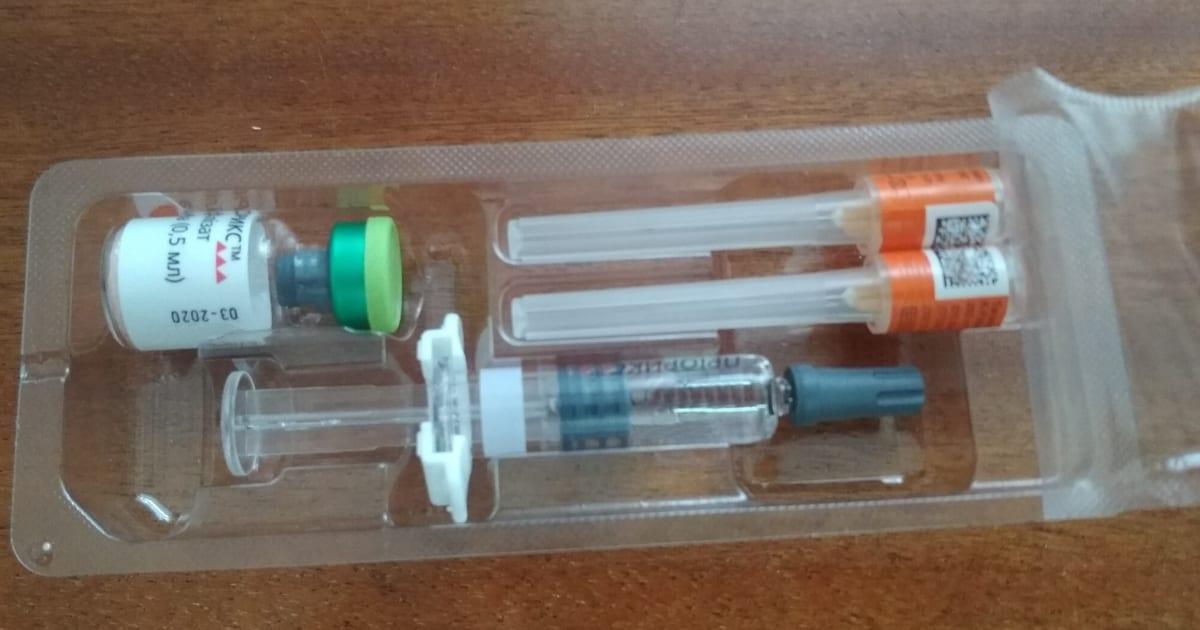
A gelatine-free option: the UKHSA guidance for health professionals lists two brands, and families who avoid pork products can ask for Priorix-Tetra, which has no porcine gelatine
Catch-up for older children: from 1 November 2026 to 31 March 2028, children born between 1 January 2020 and 31 August 2022 who have never had chickenpox are offered a single MMRV dose
The national push: NHS England’s vaccination catch-up campaign runs from June 2026 to March 2027, with GP practices contacting children under six who have missed doses
The gelatine point is a good one for interviews, because it shows hesitancy can sometimes be resolved by listening to a specific concern. Booking vaccines through the NHS App is also part of the 10 Year Health Plan.
Key Takeaway: Know that MMRV replaced MMR in January 2026, with doses at 12 and 18 months, and that a version without porcine gelatine is available.
Interview coaching
Get interview-ready, 1-1
Mock MMI and panel interviews with personalised feedback.
1-1 coaching with experienced interview tutors, never a salesperson
Mock MMI and panel interviews, scored with honest feedback
A free Ultimate Interview Q&A Guide (worth £349) with every package
Which children are most often missed by vaccination?
Children in deprived areas, in London and in some ethnic minority communities are the least likely to be fully vaccinated, so outbreaks hit the communities with the poorest health, a clear example of the health inequalities described in the Marmot Review.
Deprivation: in the 2025 to 2026 COVER report, 79.1% of five year olds in the 30 most deprived areas had both MMR doses, against 87.5% in the least deprived
London: in provisional figures for August 2026, 70.4% of London children had their first MMRV dose by 15 months, against 82.0% in the South East
Ethnicity: a 2023 study in eClinicalMedicine found the gap in full MMR vaccination between Caribbean and White British children grew from 12% in 2011-12 to 22% in 2019-20
Some families face practical barriers such as language or frequent moves, while in others trust has been damaged by past experiences of discrimination. Services reach more families when they work with trusted community and faith leaders and offer clinics at times that suit working parents.
Key Takeaway: Link low uptake to deprivation, ethnicity and access, and suggest local, trusted ways of reaching the families who are being missed.
How does vaccine misinformation spread?
Most vaccine misinformation spreads through social media, messaging groups and word of mouth, where a frightening story travels faster than the evidence. The modern pattern began with Andrew Wakefield's 1998 paper falsely linking MMR to autism, which was retracted in 2010, the year he was struck off.
By then MMR uptake at age two in England had fallen to 79.9%, its low point in 2003-04, and a 2019 study of over 650,000 Danish children found no link with autism. UK courts have taken a clear line too: in a 2020 Family Court case where two parents disagreed about vaccination, the judge called online anti-vaccine material "junk science".
How should doctors respond to misinformation?
Arguing with or mocking a parent tends to put them on the defensive, so the better approach is to listen first, find out exactly what's worrying them and answer that concern with clear evidence. Our guide on how to read a medical paper shows how to tell strong evidence from weak.
When a parent tells me they've read something worrying, I ask where they saw it and what about it frightened them. The worry is often understandable, such as a fear of side effects after hearing about a friend's child, and once it's out in the open we can talk it through.
Key Takeaway: Say that misinformation is best answered by listening and responding to the specific worry, with evidence and without judgement.
What are the ethical issues with vaccine hesitancy?
The central question is how to balance a parent's right to decide for their child against the child's interests and the protection of others, and the four pillars of medical ethics set this out clearly.
Autonomy: parents decide for young children and UK vaccination is voluntary, so their autonomy has to be respected
Beneficence: vaccination protects a child from a disease that can kill, which is the beneficence argument for it
Non-maleficence: side effects are usually mild, such as a fever or rash, and avoiding harm includes explaining those risks accurately
Justice: an unvaccinated child can pass measles to a baby too young to be vaccinated, so vaccination is also about fairness to others
Can a teenager have a vaccine without their parents' consent?
Yes. According to the Green Book chapter on consent, 16 and 17 year olds are presumed able to consent, and so are younger teenagers who are Gillick competent, and a parent cannot override their decision.
If two parents disagree about a young child, the vaccine waits until they agree or a court decides. Our guide to informed consent covers the wider rules.
Should vaccinations be mandatory in the UK?
Vaccination isn't mandatory in the UK, though Italy and France made childhood vaccines a requirement for nursery or school entry in 2017 and 2018. There's no single right answer, and a balanced reply weighs both sides:
For mandatory vaccination: it raises uptake quickly, protects babies and immunosuppressed people who rely on herd immunity, and treats measles as the public health threat it is
Against mandatory vaccination: it overrides parental choice, could deepen distrust in the communities with the lowest uptake, and does nothing about access barriers such as missed reminders
Key Takeaway: Use the four pillars to weigh parental autonomy against the child’s interests and herd immunity.
How can I talk about vaccine hesitancy in my medicine interview?
Vaccine questions test whether you can communicate with empathy and use evidence without lecturing anyone. They often come as a role-play, with an actor playing a parent who doesn't want their child vaccinated, so practise out loud with our guide to MMI role-play stations.
If you've talked to a relative who believed something they'd read online, or seen a vaccination clinic on work experience, think about what helped that conversation.
When I run this role-play with students, the best conversations start with the parent's worry, before anything about vaccines. A clear structure is:
Introduce yourself and ask what they already know
Explore their ideas, concerns and expectations, and acknowledge they want the best for their child
Answer their specific concern clearly and accurately, in plain language
Respect their decision, offer written information and a chance to talk again
Interviewers look for:
Empathy: you treat the parent as someone who cares about their child
Accuracy: you use correct facts and admit the limits of what you know
Respect for autonomy: you inform the decision without pressuring anyone
The wider picture: you link one family’s choice to herd immunity and inequalities
To rehearse with someone playing the parent, our medicine interview coaching gives you mock interviews with personalised feedback.
Key Takeaway: In a role-play, listen first, explore the parent's concern, answer it with clear facts and respect their final decision.
Ultimate Package
Choose your Ultimate Package
Rated 5.0 from 675+ reviews. 1-1 mentoring from doctors across UCAT, personal statement and interviews.
Example interview questions on vaccine hesitancy and measles
You are unlikely to be asked any of these word for word, and you do not need a prepared answer to each one. Use them to check your understanding: if you could speak for a minute on most of them, you know this topic well enough for whatever the interviewer actually asks.
Questions to get you thinking
What is vaccine hesitancy, and why does it matter?
Why has measles come back in England?
How do vaccines work?
What changed when MMRV replaced MMR in 2026?
Why might some communities have lower vaccine uptake than others?
How would you explain the importance of vaccination to a worried parent?
What have you read in the news about measles this year?
Harder questions to stretch you
Should vaccination be compulsory for children starting school?
A 15 year old wants a vaccine but their parents refuse. What should happen?
Should social media companies have to remove vaccine misinformation?
A parent shows you an article claiming MMR causes autism. How would you respond?
Model answer: "Should vaccinations be mandatory in the UK?"
I don't think childhood vaccinations should be made mandatory in the UK at the moment, although I can see why the idea has support while measles is spreading.
Measles is extremely infectious, and around 95% of children need two doses to stop outbreaks. In England only about 84% of five year olds have had both doses, the UK lost its measles elimination status in January 2026 and three people have died of measles this year.
Compulsion would probably raise uptake quickly, and Italy and France have both taken that route. However, vaccination in the UK has always relied on consent, and forcing it could damage trust among the families we most need to reach.
The biggest gaps are in deprived areas and some ethnic minority communities, where the barriers are often access, language or past discrimination. Compulsion doesn't solve those problems and might push some parents further away.
I'd focus first on making vaccination easier and building trust, with reminders, flexible clinics, the gelatine-free MMRV option and community leaders, and on giving doctors time to answer parents' worries.
If uptake kept falling despite all of that, I think it would be reasonable to look again at stronger measures. Whatever we decide, the aim should be protecting children, including the ones who can't be vaccinated themselves.
Why this answer works:
It takes a clear position: and still recognises the case for the other side
It uses current facts: the 95% target, the 2026 status change and the uptake figure
It ends with the patient: the children who cannot protect themselves
Key Takeaway: For any vaccine question, give the facts, weigh autonomy against the protection of others and explain your own view with its conditions.
The one thing to take into the room
Vaccine hesitancy is mostly about worry, habit and access, and a doctor's job is to listen, explain and make vaccination easy. Know how vaccines work, why measles came back and how you'd talk to a worried parent.
Related topics worth reading next are the UK Covid-19 Inquiry, which examined the pandemic vaccine programme, and antibiotic resistance, another public health threat.
Key Takeaway: Measles came back because uptake fell, and the way back is listening to parents, answering their concerns and making vaccines easy to get.
From 1-1 tutoring and personal statement editing to interview coaching and our all-in-one Ultimate Package, we support every stage. Tell us what you are working towards and we will recommend the right option.
FAQs
Frequently asked questions
Why has measles come back in the UK?
Measles has returned because fewer children are fully vaccinated. Around 95% need two doses to stop outbreaks, but in 2025 to 2026 only 83.8% of five year olds in England had both MMR doses. The gaps are biggest in deprived areas and London, where the virus spreads once it is brought into the country.
Has the UK lost its measles-free status?
Yes. In January 2026 the World Health Organization’s European commission found that measles had spread continuously in the UK throughout 2024, so the UK lost its measles elimination status. It was first confirmed measles free in 2017, lost the status in 2019 and regained it in 2021.
How many measles cases have there been in England in 2026?
The UK Health Security Agency confirmed 1,030 measles cases in England between 1 January and 12 October 2026, compared with 958 in the whole of 2025. Most were children aged 10 or under, half were in London, and three people have died of measles this year.
What is the MMRV vaccine and when is it given?
MMRV protects against measles, mumps, rubella and chickenpox. It replaced the MMR vaccine in the UK routine schedule on 1 January 2026, and children born on or after 1 January 2025 have it at 12 months and 18 months. A version without porcine gelatine, Priorix-Tetra, is available on request.
What is vaccine hesitancy?
Vaccine hesitancy is delaying or refusing vaccines even though they are available. The World Health Organization listed it as one of ten threats to global health in 2019. Most hesitant parents aren’t against vaccines altogether: many have specific worries, have missed an appointment or don’t see measles as a real risk.
How do vaccines work?
Vaccines train the immune system with a harmless version or part of a germ, called an antigen. The body makes antibodies and memory cells, so if it meets the real infection later it responds fast enough to prevent the illness. MMR and MMRV use live, weakened viruses, and one dose is at least 95% effective against measles.
Does the MMR vaccine cause autism?
No, it doesn’t. The claim came from Andrew Wakefield’s 1998 paper in The Lancet, which was retracted in 2010 after it was found to be fraudulent, and Wakefield was struck off the medical register. Large studies since then have found no link between the MMR vaccine and autism.
Should vaccinations be mandatory in the UK?
Vaccination is voluntary in the UK, though Italy and France require childhood vaccines for nursery or school. Making vaccines mandatory could raise uptake quickly and protect people who rely on herd immunity, but it overrides parental choice and may deepen distrust. Many argue for making vaccines easier to get and better explained first, keeping compulsion as a last resort.
Can a teenager have a vaccine without their parents’ consent?
Yes. National guidance says 16 and 17 year olds are presumed able to consent to vaccination, and younger teenagers who are Gillick competent can consent too. In both cases a parent cannot override their decision. If two parents disagree about a young child, the vaccine waits until they agree or a court decides.
How should I answer a vaccine hesitancy question in a medicine interview?
Start with the facts: measles needs 95% coverage, uptake is below that and the UK lost its measles-free status in 2026. In a role-play, listen to the parent’s worry first, answer it clearly and respect their decision. For ethics questions, weigh parental autonomy against the child’s interests and protecting others.
Ultimate Package students from our 2025/26 cycle, with their UCAT scores and offers, who trained with us for the UCAT, personal statements and interviews.
Ultimate Package
S
Sophie
Medicine, King's College London
2025 UCAT2,590 / 2,700
“Harry got my UCAT up to 2,590, working through the sections I kept dropping marks on week by week. Gemma then ran my interview practice so the MMI stations didn't catch me out, and Dr Akash mentored me the whole way through. I'm off to King's for Medicine.”
Ultimate Package
D
Daniel
Medicine, University College London
Medicine offers4 offers
“The interview prep was the part that actually moved the needle. Proper mock MMIs, not just lists of questions, and feedback that was honest about what I was getting wrong. I ended up with four offers and firmed UCL.”
Ultimate Package
A
Aisha
Dentistry, University of Birmingham
Dentistry offers4 offers
“The Ultimate Package kept me organised from UCAT through to interviews. They knew what dental schools actually ask and tightened up my personal statement. Four offers in the end, and I'm going to Birmingham.”
Ultimate Package
C
Charlotte
Veterinary Medicine, Royal Veterinary College
Vet offers4 offers
“Vet applications come down to the written SAQs as much as the interview. Dr Rebecca went through my SAQs line by line, sharpened my answers and prepped me for the panels. I came away with four offers and chose the RVC.”