I get asked regularly by students preparing with us about which NHS hot topics they need to know inside out before their interviews. The Tobacco and Vapes Bill passing through Parliament this week is exactly the kind of landmark public health story that should be on every medicine, dentistry, and veterinary applicant's radar right now.
Overview: The Tobacco and Vapes Bill has now cleared both Houses of Parliament and will become law upon royal assent. It creates a lifelong ban on tobacco sales for anyone born on or after 1 January 2009, expands smoke-free zones to schools and hospitals, and gives ministers new powers to regulate vaping products. For applicants, this is a rich source of ethical, policy, and public health discussion at MMI and panel interviews.
I'm Dr Akash Gandhi, a practising NHS GP and mentor at TheUKCATPeople. I've been following this legislation closely, both as a clinician who sees the long-term consequences of smoking-related disease daily and as someone who helps hundreds of students each year prepare for exactly the kind of interview questions this topic generates.
What Is the Tobacco and Vapes Bill and What Does It Actually Do?
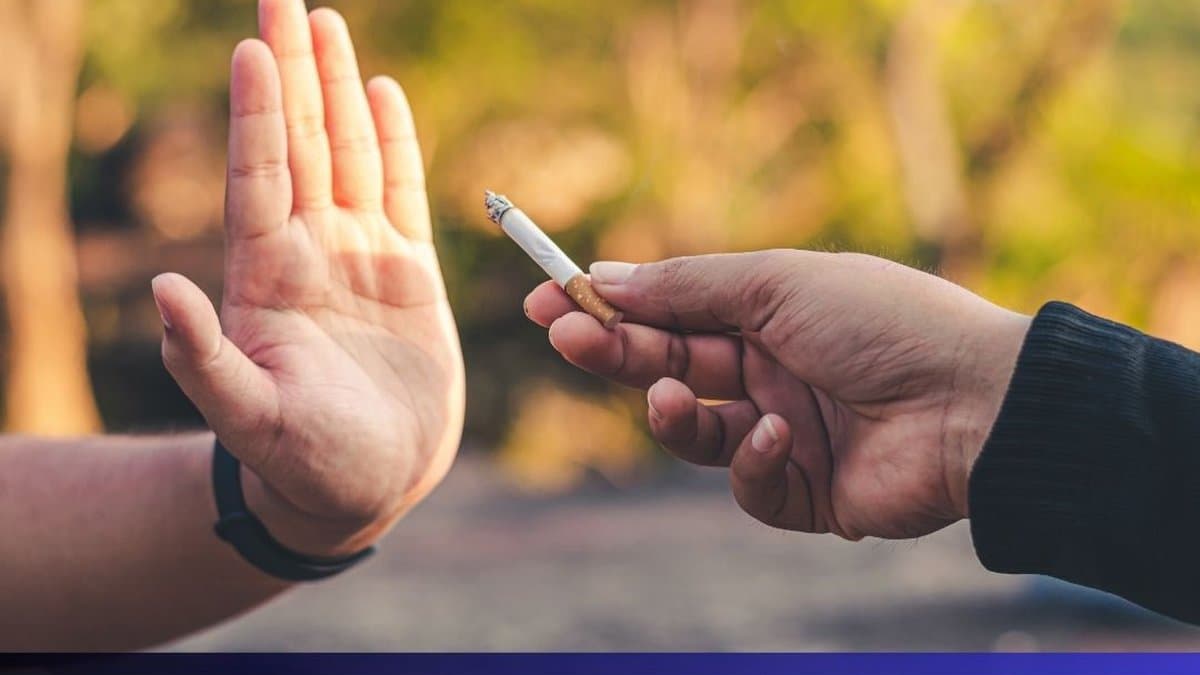
For many, the Tobacco and Vapes Bill is the biggest public health intervention in a generation in the United Kingdom. It raises the legal age for purchasing cigarettes by one year for every subsequent year, beginning 1 January 2027, meaning anyone born on or after 1 January 2009 will never legally be able to buy tobacco in the UK.
The legislation also expands existing smoke-free zones to include children's playgrounds, the outside of schools, and hospital grounds. Vaping will be banned in cars carrying anyone under the age of 18. Ministers will gain new powers to regulate nicotine product flavours, packaging, and advertising, specifically to reduce their appeal to younger consumers.
Smoking and vaping will remain permitted inside people's own homes, and outdoor hospitality settings such as pub gardens are not currently included in the expanded restrictions.
Key Takeaway: The Tobacco and Vapes Bill creates a generational ban on tobacco sales, expands public smoke-free zones, and tightens vaping regulation, while stopping short of a complete outdoor smoking ban.
Why Is This Significant From a Public Health Perspective?
The scale of the problem this legislation addresses is difficult to overstate. Smoking leads to 400,000 hospital admissions and 64,000 deaths per year in England alone, and costs the NHS approximately £3 billion annually in treatments for tobacco-related illnesses including cancer, heart disease, and chronic obstructive pulmonary disease. The estimated total cost to wider society, largely through lost productivity, ranges between £21 billion and £27 billion per year in England.
Health Secretary Wes Streeting described the bill's passage as "an historic moment for the nation's health," arguing that prevention is better than cure. From my perspective as a GP, this framing matters enormously. I see patients every week managing conditions that are directly attributable to decades of tobacco use, and the vast majority of those conditions were, in principle, preventable.
The UK joins the Maldives as the only countries currently operating a generational tobacco ban. New Zealand famously pioneered a similar policy but reversed it following a change of government in 2023, which itself raises important questions about the long-term political durability of ambitious public health legislation.
Key Point: Smoking costs the NHS £3 billion annually and causes 64,000 deaths per year in England. This legislation represents a significant shift from treatment toward prevention as the primary public health strategy.
What Are the Ethical Arguments For and Against a Generational Smoking Ban?
This is where the interview relevance becomes most acute, and where you need to be able to hold multiple perspectives simultaneously rather than simply advocating for one side.
Arguments in favour
These centre on the duty of the state to protect public health, particularly where individual choices impose enormous collective costs. The four pillars of medical ethics are relevant here: beneficence (acting in patients' best interests), non-maleficence (avoiding harm), justice (fair distribution of NHS resources), and autonomy. Proponents argue that nicotine addiction fundamentally compromises true autonomy, meaning the ban actually protects rather than restricts genuine freedom of choice.
Arguments against
These typically invoke individual liberty and the risk of creating a two-tier system of legality based on birth year, which critics argue is inherently arbitrary. There are concerns about the potential emergence of an unregulated black market, which could paradoxically increase harm. Some in the vaping industry have argued that restricting access to nicotine alternatives could push ex-smokers back toward tobacco.
A nuanced perspective worth developing for interview is the question of paternalism in medicine: at what point does state intervention in lifestyle choices become justified, and how does this differ from the justification for, say, mandatory seatbelt laws or food safety regulations?
Key Point: The ban raises classic tensions between autonomy and beneficence, between individual freedom and collective public health responsibility. Interviewers are looking for candidates who can hold both sides in mind rather than advocate simplistically.
Interview coaching
Choose your 1-1 interview coaching
Rated 5.0 from 640+ reviews. Practise with experienced interview experts: mock MMI and panel interviews, scored with feedback.
How Does This Connect to NHS Pressures and Resource Allocation?
One of the most important things I advise students preparing with TheUKCATPeople's medicine interview coaching is to always connect a hot topic to the NHS's structural challenges. This ban does that directly.
Smoking-related diseases consume a disproportionate share of NHS resources relative to other preventable conditions. If the generational ban achieves its intended effect over the coming decades, the downstream reduction in cancer referrals, cardiology admissions, respiratory outpatient appointments, and long-term care needs could be substantial. This is directly relevant to discussions about the NHS backlog, which you can explore in our NHS waiting list and backlog guide.
It also connects to debates around the NHS postcode lottery: smoking cessation services are not uniformly available across the UK, meaning the burden of tobacco-related illness falls disproportionately on communities with the least access to support. I work as a GP in different boroughs in London, and the smoking services offered is not the same across them both.
Asthma and Lung UK's chief executive made this point explicitly when commenting on the bill, urging the government to fund cessation support equitably rather than leaving existing smokers without help.
Key Takeaway: The financial and service-load implications of this legislation for the NHS are significant and long-term. Connecting a hot topic to NHS sustainability always strengthens an interview answer.
What Does This Mean for the Vaping Debate in the UK?
Vaping occupies an unusual and contested position in this legislation. On one hand, the bill tightens regulation of vaping products considerably, banning advertising directed at younger consumers, restricting flavours and packaging, and prohibiting vaping in cars with passengers under 18. On the other hand, adults aged 18 and over will retain the right to purchase vaping products, and vaping will still be permitted outside hospitals in recognition of its role in smoking cessation.
The tension here is genuine and scientifically unresolved to a degree. Public Health England has historically positioned vaping as significantly less harmful than combustible tobacco, particularly as a cessation aid. However, the long-term health effects of vaping remain incompletely understood, and there are legitimate concerns about a new generation becoming nicotine-dependent via vapes rather than cigarettes.
For interview purposes, the vaping debate is a useful example of how medical evidence is sometimes uncertain, and how policy must be made under conditions of incomplete knowledge, balancing the precautionary principle against the real public health benefits of harm reduction for existing smokers.
Key Takeaway: The legislation tries to thread a difficult needle: restricting vaping's appeal to young people while preserving its utility as a harm reduction tool for adult smokers attempting to quit.
Interview coaching
Get interview-ready, 1-1
Mock MMI and panel interviews with personalised feedback.
1-1 coaching with experienced interview tutors, never a salesperson
Mock MMI and panel interviews, scored with honest feedback
A free Ultimate Interview Q&A Guide (worth £349) with every package
How Does This Bill Reflect the Broader Direction of NHS and Government Health Policy?
The Tobacco and Vapes Bill is not an isolated policy. It sits within a broader Labour government health agenda that emphasises prevention and long-term health system sustainability over reactive treatment. This connects directly to the Lord Darzi NHS investigation, which highlighted the systemic underfunding of preventive care, and to the NHS Long Term Workforce Plan, which recognised that a healthier population requires fewer acute clinical encounters.
The obesity crisis and weight loss injections debate follows a similar logic: both represent the state making increasingly assertive interventions in lifestyle-related disease. The sugar tax is another relevant comparator, and one that dental applicants in particular should link to discussions about preventive oral health.
Being able to situate individual policies within a coherent narrative about the direction of health policy is one of the markers of a well-prepared, intellectually engaged applicant. It is something our tutors at TheUKCATPeople specifically train students to do.
Key Takeaway: The smoking ban reflects a wider policy turn toward prevention and long-term sustainability in UK healthcare. Situating it within this broader context demonstrates mature, systems-level thinking in an interview setting.
What About the International Context and the New Zealand Reversal?
One of the most interesting angles on this story, and one that I think separates stronger interview candidates, is the international dimension. The UK is only the second country to implement a generational smoking ban after the Maldives. New Zealand, the first country to propose such a policy, repealed it in 2023 following a change of government.
This raises a genuinely important question: how robust is ambitious public health legislation to political change? If a future government were to reverse the ban, what does that mean for the individuals who made life decisions on the basis of the law? And how should clinicians think about policies that may not survive long enough to produce their intended health outcomes?
This kind of comparative thinking, drawing on international examples to interrogate domestic policy, is exactly the sort of critical reasoning that medical interviewers at selective schools are looking for. It also shows that you engage with healthcare policy as a dynamic, contested field rather than a settled body of facts.
Key Takeaway: The New Zealand reversal is a cautionary example about the political durability of ambitious public health legislation, and raises important questions about long-term policy planning in healthcare.
Potential Interview Questions on the Tobacco and Vapes Bill
Though unlikely to be asked on these questions directly, have a think about how you would answer to help improve your understanding of the topic.
Potential hard questions:
The UK has passed a generational smoking ban. What are the ethical arguments for and against this legislation?
How does the Tobacco and Vapes Bill relate to the NHS's current financial pressures?
A patient who was born in 2010 comes to you as an adult asking about smoking. How do you approach this conversation given the legal context?
What is the role of individual autonomy in public health policy decisions like a smoking ban?
How would you respond to a patient who argues the smoking ban is unfair because it treats people differently based on their birth year?
How does vaping fit into the debate around harm reduction versus harm prevention?
Things to test your knowledge
New Zealand repealed its generational smoking ban after a change of government. What does this suggest about the limits of public health legislation as a policy tool?
Some argue that a black market for cigarettes would undermine this legislation entirely. How would you evaluate this argument?
Is there a meaningful ethical distinction between a government banning the sale of tobacco to a specific generation and banning it for everyone?
The bill's critics argue it is paternalistic. Is paternalism in medicine ever justified, and if so, under what conditions?
Model Question and Answer
Question: You are a student volunteering at a community health fair. A 17-year-old approaches your stall and says she is angry about the new smoking ban because she feels the government is treating her differently from her older sister who can still buy cigarettes. How do you respond?
Answer: I would first acknowledge her frustration openly and genuinely, because the sense of being treated differently from someone only a year or two older is understandably difficult to accept, and dismissing that feeling would not be respectful or helpful. I would try to explain the reasoning behind the legislation in a way that is honest rather than simply defensive of the government's position.
The law is designed to protect her generation from a product that is highly addictive and causes serious long-term harm, and the evidence consistently shows that most people who smoke as adults wish they had never started. I would also be transparent that there are genuine arguments on both sides: some people think this kind of age-based distinction is arbitrary, and that is a view held by thoughtful people.
However, I might gently share that from a health perspective, the long-term picture of tobacco's effects is very clear, and that many existing smokers, including those who are currently legally allowed to buy cigarettes, have expressed support for this measure because they understand first-hand how difficult addiction is to escape. I would make sure she felt heard rather than lectured, and offer her access to more information if she wanted to explore the topic further.
Ultimate Package
Choose your Ultimate Package
Rated 5.0 from 640+ reviews. 1-1 mentoring from doctors across UCAT, personal statement and interviews.
The Tobacco and Vapes Bill is UK legislation that creates a lifelong ban on tobacco sales to anyone born on or after 1 January 2009. It also expands smoke-free public spaces and tightens regulation of vaping products. It will become law upon royal assent from King Charles III.
When will the smoking ban come into force?
The legal purchasing age for tobacco will begin rising by one year every year from 1 January 2027. This means anyone born on or after 1 January 2009 will never legally be able to purchase tobacco products in the UK.
Does the ban include vaping?
Vaping is not subject to the same generational ban as tobacco. However, the bill tightens vaping regulations significantly, including banning vaping in cars with children, restricting advertising, and giving ministers powers over flavours and packaging. Adults aged 18 and over will retain the right to purchase vaping products.
Can you still smoke in pub gardens under the new law?
Yes. Outdoor hospitality settings such as pub gardens are not included in the expanded smoke-free zones. The ban on smoking and vaping in public extends to children's playgrounds, outside schools, and outside hospital buildings.
What are the key medical ethics questions raised by this legislation?
The ban raises questions about autonomy versus beneficence, the limits of state paternalism, the ethics of age-based legal distinctions, harm reduction versus harm prevention in the context of vaping, and equitable access to smoking cessation support across different communities.
How does the smoking ban affect NHS costs?
Smoking costs the NHS approximately £3 billion annually in treatment costs for tobacco-related illnesses. If the generational ban reduces smoking prevalence over time, the long-term reduction in hospital admissions, cancer care, and respiratory disease management could be substantial.
How does New Zealand's experience relate to the UK ban?
New Zealand was the first country to introduce a similar generational smoking ban, but repealed it in 2023 following a change of government. This raises important questions about the political durability of ambitious public health legislation.
Is this the biggest public health intervention in the UK?
Health minister Baroness Merron described the Tobacco and Vapes Bill as "the biggest public health intervention in a generation." Whether it ultimately achieves its aims will depend on enforcement, the availability of cessation support, and whether it survives future changes in government.
How should I prepare to discuss this topic in a medical school interview?
You should be able to explain the key provisions of the bill, articulate both sides of the ethical debate, connect it to NHS resource pressures, and situate it within the broader trend toward preventive health policy. Practising with an experienced mentor, as offered through TheUKCATPeople's medicine interview coaching, is the most effective way to develop the fluency you need.
Where can I find more NHS hot topics for my medical school interview?
Disclaimer: This article is intended as general preparation guidance for medicine, dentistry, and veterinary school applicants. It does not constitute medical or legal advice. Individual circumstances may vary, and applicants should verify all factual information against current official sources.
Contact us
Want expert help with your application?
From 1-1 tutoring and personal statement editing to interview coaching and our all-in-one Ultimate Package, we support every stage. Tell us what you are working towards and we will recommend the right option.
FAQs
Frequently asked questions
What is the Tobacco and Vapes Bill?
The Tobacco and Vapes Bill is UK legislation that creates a lifelong ban on tobacco sales to anyone born on or after 1 January 2009. It also expands smoke-free public spaces and tightens regulation of vaping products. It will become law upon royal assent from King Charles III.
When will the smoking ban come into force?
The legal purchasing age for tobacco will begin rising by one year every year from 1 January 2027. This means anyone born on or after 1 January 2009 will never legally be able to purchase tobacco products in the UK.
Does the ban include vaping?
Vaping is not subject to the same generational ban as tobacco. However, the bill tightens vaping regulations significantly, including banning vaping in cars with children, restricting advertising, and giving ministers powers over flavours and packaging. Adults aged 18 and over will retain the right to purchase vaping products.
Can you still smoke in pub gardens under the new law?
Yes. Outdoor hospitality settings such as pub gardens are not included in the expanded smoke-free zones. The ban on smoking and vaping in public extends to children's playgrounds, outside schools, and outside hospital buildings.
What are the key medical ethics questions raised by this legislation?
The ban raises questions about autonomy versus beneficence, the limits of state paternalism, the ethics of age-based legal distinctions, harm reduction versus harm prevention in the context of vaping, and equitable access to smoking cessation support across different communities.
How does the smoking ban affect NHS costs?
Smoking costs the NHS approximately £3 billion annually in treatment costs for tobacco-related illnesses. If the generational ban reduces smoking prevalence over time, the long-term reduction in hospital admissions, cancer care, and respiratory disease management could be substantial.
How does New Zealand's experience relate to the UK ban?
New Zealand was the first country to introduce a similar generational smoking ban, but repealed it in 2023 following a change of government. This raises important questions about the political durability of ambitious public health legislation.
Is this the biggest public health intervention in the UK?
Health minister Baroness Merron described the Tobacco and Vapes Bill as the biggest public health intervention in a generation. Whether it ultimately achieves its aims will depend on enforcement, the availability of cessation support, and whether it survives future changes in government.
How should I prepare to discuss this topic in a medical school interview?
You should be able to explain the key provisions of the bill, articulate both sides of the ethical debate, connect it to NHS resource pressures, and situate it within the broader trend toward preventive health policy. Practising with an experienced mentor through expert-led interview coaching is the most effective way to develop the fluency you need.
Where can I find more NHS hot topics for my medical school interview?
TheUKCATPeople blog covers a comprehensive range of NHS hot topics and ethical scenarios, including the obesity crisis, assisted dying, AI in medicine, and the ageing population, all written by practising UK doctors and clinicians.
Ultimate Package students from our 2025/26 cycle, with their UCAT scores and offers, who trained with us for the UCAT, personal statements and interviews.
Ultimate Package
S
Sophie
Medicine, King's College London
2025 UCAT2,590 / 2,700
“Harry got my UCAT up to 2,590, working through the sections I kept dropping marks on week by week. Gemma then ran my interview practice so the MMI stations didn't catch me out, and Dr Akash mentored me the whole way through. I'm off to King's for Medicine.”
Ultimate Package
D
Daniel
Medicine, University College London
Medicine offers4 offers
“The interview prep was the part that actually moved the needle. Proper mock MMIs, not just lists of questions, and feedback that was honest about what I was getting wrong. I ended up with four offers and firmed UCL.”
Ultimate Package
A
Aisha
Dentistry, University of Birmingham
Dentistry offers4 offers
“The Ultimate Package kept me organised from UCAT through to interviews. They knew what dental schools actually ask and tightened up my personal statement. Four offers in the end, and I'm going to Birmingham.”
Ultimate Package
C
Charlotte
Veterinary Medicine, Royal Veterinary College
Vet offers4 offers
“Vet applications come down to the written SAQs as much as the interview. Dr Rebecca went through my SAQs line by line, sharpened my answers and prepped me for the panels. I came away with four offers and chose the RVC.”