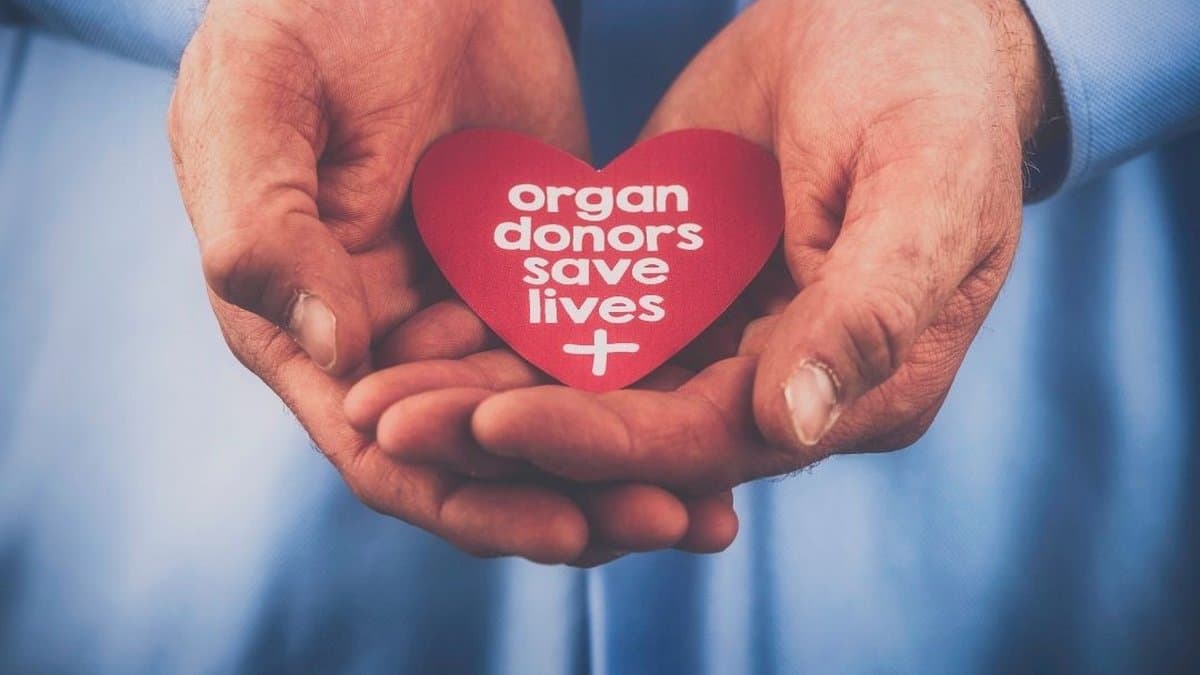
In your UK Medical School Interview, you will be expected to have the knowledge to hold a conversation with your interviewer about organ donation systems. Being familiar with Max and Keira’s Law and the current opt-out system will help you stand out as an excellent student.
The government publicly announced that the legislation would be commonly referred to as Max’s Law, in recognition of all the campaigning Max Johnson and his family were doing when Max was waiting for a heart transplant and have continued to do since receiving the heart he so desperately needed.
This article provides you with everything you need to know about Max and Keira’s Law, the new opt-out organ donation system, and how this came about.
Max and Keira’s Law Summary - What Do I Need To Know?
Max and Keira's Law is an opt-out organ donation system in England, effective from May 2020.
It presumes consent for organ donation unless individuals explicitly opt-out.
The law aims to increase the number of organs available for transplantation.
It is named after Keira Ball, who saved multiple lives, and Max Johnson, who received her heart.
Max and Keira’s Law addresses the urgent need for more organ donors in England.
Exclusions include children under 18, individuals lacking mental capacity, and non-residents living in England for less than 12 months.
Public awareness campaigns are crucial to inform people about their rights and how to opt out.
What Is An Organ Donor?
An organ donor is a person who donates their organs and tissues. Donors can be either live, or deceased.
Which organs can living donors donate in the UK?
Organs and tissues that living donors can donate include:
Organs
1 kidney
1 lobe of the lung
1 sample of pancreas
1 sample of intestine
Tissues
Skin
Bone
Bone marrow
Amnion
Blood
Which organs can deceased donors donate in the UK?
In contrast, deceased organ donors can donate:
Organs
Both kidneys
The whole, or part of the Liver
Both lungs
The Heart
The whole, or part of the Pancreas
Intestines
Hands and Face
Tissues
Corneas
The middle ear
Skin
Heart valves
Bone
Veins
Cartilage
Tendons
Ligaments
What Is Max and Keira's Law - Organ Donation Law?
Max and Keira's Law, also known as the Organ Donation (Deemed Consent) Act 2019, is legislation in England that presumes consent for organ donation unless individuals have explicitly opted out.
Max and Keira’s Law amends the Human Tissue Act 2004. The changes made mean that doctors no longer need expressed consent for organ donation in a deceased person, rather they require an absence of refusal to donate.
The patient’s family still hold ultimate decision-making rights over whether organs can be donated.
Max and Keira’s Law aims to increase the number of available organs for transplantation and combat the growing organ transplant lists nationwide.
Keira Ball was a nine-year-old girl from Devon who tragically passed away following a road traffic accident. When approached by hospital staff at Bristol Children's Hospital, her parents Joe and Loanna decided to go ahead with donating her organs.
Through her organ donation, she saved the lives of four people.
Her kidneys were donated to adults on the kidney transplant waiting list, her liver was given to a baby awaiting transplant, and her heart was donated to a nine-year-old boy, Max Johnson.
Who Was Max Johnson?
At age 9, Max Johnson was diagnosed with dilated cardiomyopathy, a condition characterised by thin, dilated heart muscle which functions poorly.
Max had been on the waiting list for eight months when he received a life-saving heart transplant from Keira Ball.
Following the transplant, Max sent a thank you card to Keira’s family, before meeting in-person.
Interview coaching
Choose your 1-1 interview coaching
Rated 5.0 from 660+ reviews. Practise with experienced interview experts: mock MMI and panel interviews, scored with feedback.
Max and Keira's Law was created to combat the growing need and deficit of organ donors in England.
Before the law was introduced, hundreds of people died every year waiting for a transplant, highlighting the urgent need for more organ donations. The need has not gone away: NHS Blood and Transplant data shows the active transplant waiting list reached a record 8,096 patients as of 31 March 2025, and around three people still die each day waiting for an organ across the UK.
One of the significant barriers to organ donation was the Opt-In consent process.
In around 40% of eligible donors who had not declared their organ donor status, the family refused consent and did not support donation.
The opt-out system was introduced to increase consent rates for organ donation, and ultimately the number of organs available for transplantation
Has the Opt-Out System Increased Organ Donation Rates in England?
It is a common misconception that opt-out automatically guarantees more donors. The evidence so far suggests the law has helped raise public awareness, but it has not delivered the dramatic increase some campaigners hoped for. NHS Blood and Transplant reported over 100 fewer deceased donors and a roughly 2% fall in transplants in 2024/25 compared with the previous year, pushing the waiting list to a record high. This shows that legislation alone cannot solve the donor shortage.
The single biggest obstacle remains family refusal. In 2024/25, the family consent rate sat at around 59%, and in roughly 520 cases families did not support donation even though deemed consent applied. Around 173 families overruled a relative's previously registered or expressed decision to donate. NHS Blood and Transplant estimates that lifting consent rates towards 85% would deliver hundreds of additional donors every year, which is why public conversation, not just the law, is so important.
Early evaluation has been difficult because the opt-out system launched in May 2020, just as the COVID-19 pandemic paused much transplant activity. More than six years on, the picture is mixed. Around 90% of adults in England now support donation in principle, but family consent remains the biggest barrier: NHS Blood and Transplant reported a family consent rate of only around 59% for 2024/25. Crucially, deemed consent has not eliminated the donor shortage. As of 31 March 2025, 8,096 patients (including 276 children) were on the active UK transplant waiting list, the highest figure on record, with almost 12,000 people in total either active or temporarily suspended.
The following groups of people are excluded from the presumed consent system:
Children under the age of 18: They are not considered to have the capacity to make significant medical decisions independently.
Individuals lacking mental capacity: patients deemed to lack the mental capacity to understand the new law and take the necessary steps to opt out if they wish. This exclusion protects patients with severe cognitive impairments or mental health conditions.
People who have not lived in England for at least 12 months before their death: This exclusion recognises that temporary residents in the UK may not be aware of the opt-out system.
Prime Minister Theresa May announces plans to change the law to an opt-out system.
12 December 2017
The Government launches a 12-week consultation on the potential Opt-Out organ donation system.
26 February 2019
The Organ Donation (Deemed Consent) Bill passes its third reading in Parliament.
15 March 2019
The Bill receives Royal Assent and is formally approved by the Queen.
25 February 2020:
The government announced that the law will come into effect on 20 May 2020.
20 May 2020:
The Organ Donation (Deemed Consent) Act comes into effect in England.
Opt-Out Organ Donation Across the UK and Other Countries
Approximately 28 out of 50 European countries have an Opt-Out organ donor system, including Spain, Austria, Belgium, France, and Portugal.
The most notable of these is Spain, which has been hailed as a world leader in organ donation, with the most deceased organ donors per million in the world, and the shortest transplant waiting lists.
In the UK, Wales joined the opt-out system in December 2015, and Scotland moved to an opt-out system in March 2021.
After Max and Keira's Law came into place in England in 2020, Northern Ireland introduced the Organ and Tissue Donation (Deemed Consent) Act, known as Daithi's Law, which came into effect on 1 June 2023. This brought all four nations of the UK into an opt-out system: Wales led the way in December 2015, followed by England (May 2020), Scotland (March 2021) and Northern Ireland (June 2023).
The Crown Dependencies, Jersey, Guernsey and the Isle of Man are also all under an assumed consent organ donation system.
What Are the Ethical Considerations of an Opt-Out Organ Donor System?
There are a number of ethical considerations regarding deemed consent seen in Max and Keira’s Law.
Consent, Informed Decision-Making and Autonomy
In every other aspect of medicine, the concept of assumed consent is unacceptable, and clinicians are required to ensure patients giveinformed, voluntary and explicit consent to any medical examination, treatment or procedure that they undergo.
A proportion of UK patients will be unaware of the change in the system, and their requirement to register refusal of organ donation if they wish not to donate. This means that there’s a risk that unconsenting patients may end up as deceased donors if their families are not aware of their wishes.
Autonomy describes the right of individuals to make informed decisions about their own bodies. The opt-out system could arguably infringe on patient’s autonomy, especially if they are not adequately informed about opting out.
Cultural and Religious Sensitivities
Cultural and religious beliefs play a significant role in people's views on organ donation and can raise some ethical issues.
For instance, some faiths recognise death differently, and this may cause conflict if patients are classed as brainstem dead and deemed fit for organ donation. Other groups may have religious practices for what happens to the patient’s body after death.
In the 2018 consultation for Max and Keira’s Law, reservations from some faith groups were highlighted. Many of these reservations related to the concept that a lack of refusal could be perceived as informed consent.
Sensitivity to diverse beliefs and practices is crucial to ensure that the system is ethical and inclusive, respecting the values of all societal groups.
How to Answer Medical School Interview Questions on Max and Keira's Law
When answering medical school interview questions on organ donation, it is important to demonstrate a clear, in-depth perspective of the situation. Organ donation is a common NHS Hot Topic that your interviewers will expect you to be able to discuss.
In answering interview questions, you should explain your understanding of the law, and its intention, and weigh up the benefits and ethical concerns in regard to the opt-out system.
You must explain to the interviewer the reasoning behind an opt-out system being introduced.
An excellent student would be able to link their answers to the 6 core values of the NHS, and the 4 pillars of ethics, such as autonomy and beneficence.
A strong answer grounds the debate in the four pillars of medical ethics. Opt-out can be defended on beneficence and justice (more organs, more lives saved, fairer access), but it is most often challenged on the grounds of autonomy and informed consent, since a patient who never registered a refusal may not have made a genuinely informed choice.
Model Interview Question and Answer on Max and Keira's Law
Explain Max and Keira’s Law and discuss how it relates to autonomy and consent.
Max and Keira's Law is the legislation for the opt-out organ donation system in England. It came into effect in 2020, and it presumes consent for organ donation unless individuals opt out, with exceptions for children under 18, individuals lacking mental capacity, and non-residents.
It was implemented in an attempt to increase the number of organs available for transplantation and address the growing transplant lists.
Autonomy involves the right to make informed decisions about one’s own body. Traditional organ donation systems require explicit consent, directly supporting autonomy. It is arguable that some patients may not be aware of their need to opt out if they wish not to donate their organs.
Therefore by assuming consent, there may be patients who end up being organ donors against their wishes, violating their autonomy.
To respect autonomy under Max and Keira’s Law, it’s crucial to have robust public awareness campaigns and accessible opt-out processes.
Why Are Families Still Consulted Under an Opt-Out System?
One of the most important and frequently misunderstood points about Max and Keira's Law is that it did not remove the role of the family. Deemed consent means an adult is presumed willing to donate, but in practice donation almost never proceeds against a family's objection. Specialist nurses in organ donation (SNODs) approach the family, confirm the deceased's known wishes and seek their support before any donation goes ahead.
This soft opt-out approach exists for practical and ethical reasons. Overriding a grieving family would risk damaging public trust in the donation system and could deter people from supporting donation in the future. It is also why NHS Blood and Transplant repeatedly urges everyone to tell their family their decision: if your loved ones know you want to donate, they are far more likely to support it. For interviews, this is a crucial nuance: opt-out in England is a soft opt-out, not an absolute presumption that ignores the family.
How Do You Opt Out of Organ Donation in the UK?
Opting out is straightforward and your decision is recorded on the NHS Organ Donor Register. You can register a decision not to donate, or change an existing decision, in three main ways: online at the NHS Organ Donation website, through the NHS App, or by calling the NHS Donor Line. You can also specify which organs and tissues you are or are not willing to donate, and faith-based donation preferences can be recorded. Whatever you decide, the key message is to make your choice known and tell your family, because they will be involved in the final conversation.
From 1-1 tutoring and personal statement editing to interview coaching and our all-in-one Ultimate Package, we support every stage. Tell us what you are working towards and we will recommend the right option.
FAQs
Frequently asked questions
What is Max and Keira's Law?
Max and Keira's Law is the everyday name for the Organ Donation (Deemed Consent) Act 2019. It introduced an opt-out system for organ donation in England from 20 May 2020, meaning adults are presumed willing to donate their organs after death unless they have opted out or fall into an excluded group. It is named after Keira Ball, a young donor, and Max Johnson, who received her heart.
How does the opt-out organ donation system work?
Under the opt-out system, all adults in England are considered potential organ donors unless they record a decision not to donate on the NHS Organ Donor Register, or they belong to an excluded group. This is called deemed or presumed consent. Importantly, it is a soft opt-out: families are still consulted, and donation rarely goes ahead if the family objects.
Who were Keira Ball and Max Johnson?
Keira Ball was a nine-year-old girl from Devon who died after a road traffic accident in 2017. Her parents agreed to donate her organs, saving four lives. One recipient was Max Johnson, a nine-year-old boy with dilated cardiomyopathy who received Keira's heart after waiting eight months on the transplant list. Their story inspired the campaign and the law's name.
When did Max and Keira's Law come into effect?
The Organ Donation (Deemed Consent) Act 2019 received Royal Assent on 15 March 2019, and the opt-out system came into force in England on 20 May 2020. It took around three years from the initial 2017 government announcement under Theresa May to full implementation, including a public consultation and parliamentary passage.
Who is excluded from deemed consent under Max and Keira's Law?
Three main groups are excluded: people under 18, people who lack the mental capacity to understand the change in the law, and people who have not lived in England voluntarily for at least 12 months before death (such as short-term visitors). For these groups, the previous opt-in rules apply, so explicit consent is needed before donation can proceed.
Do families still have a say under the opt-out system?
Yes. Max and Keira's Law is a soft opt-out, so families are always consulted by specialist nurses before donation goes ahead. Donation almost never proceeds against a family's objection. This protects public trust and respects relatives, which is why NHS Blood and Transplant urges everyone to tell their family their donation decision while they are alive.
How do you opt out of organ donation in the UK?
You can opt out, or change a previous decision, on the NHS Organ Donor Register. The three main routes are online at the NHS Organ Donation website, through the NHS App, or by calling the NHS Donor Line. You can also state which organs and tissues you would or would not donate, and record faith-based preferences. Telling your family remains important.
Has Max and Keira's Law increased organ donation rates?
The impact has been modest and hard to isolate because the law launched alongside the COVID-19 pandemic. Public support is high, but family consent (around 59% in 2024/25) remains the biggest barrier. In 2024/25 there were over 100 fewer deceased donors and the active waiting list hit a record 8,096. Legislation alone has not solved the donor shortage.
How many people are on the UK organ transplant waiting list?
As of 31 March 2025, 8,096 patients (including 276 children) were on the active UK transplant waiting list, the highest figure on record. A further roughly 3,883 people were temporarily suspended, meaning almost 12,000 people in total were waiting. Around three people die every day in the UK waiting for a suitable organ to become available.
Which UK nations have an opt-out organ donation system?
All four UK nations now use opt-out. Wales led the way in December 2015, England introduced Max and Keira's Law in May 2020, Scotland moved to opt-out in March 2021, and Northern Ireland followed with Daithi's Law on 1 June 2023. The Crown Dependencies of Jersey, Guernsey and the Isle of Man also operate deemed consent systems.
What is Daithi's Law?
Daithi's Law is the name for Northern Ireland's opt-out organ donation system, introduced by the Organ and Tissue Donation (Deemed Consent) Act and effective from 1 June 2023. It is named after Daithi Mac Gabhann, a young boy with hypoplastic left heart syndrome who has been waiting for a heart transplant. It works like Max and Keira's Law in England.
What are the ethical arguments for and against opt-out organ donation?
Arguments for opt-out include beneficence and justice: more organs, more lives saved and fairer access to transplants. Arguments against centre on autonomy and informed consent, because a person who never registered a refusal may not have made a genuinely informed choice. Cultural and religious sensitivities are also important, especially around brainstem death and how the body is treated after death.
Does Max and Keira's Law conflict with patient autonomy?
It can be argued to, because in most areas of medicine clinicians need explicit, informed consent, whereas deemed consent presumes willingness unless a person opts out. Critics worry some patients are unaware of the change and may become donors against unspoken wishes. Defenders argue that the opt-out remains free and easy to register, the family is consulted, so autonomy is still protected in practice.
Which organs can be donated after death in the UK?
Deceased donors can donate the heart, both kidneys, both lungs, the liver (whole or part), the pancreas (whole or part), the intestines, and in some cases hands and face. Tissues that can be donated include corneas, heart valves, skin, bone, tendons, ligaments, cartilage, veins and the middle ear. A single donor can transform or save the lives of several people.
How should I discuss Max and Keira's Law in a medical school interview?
Show that you understand the law (opt-out from May 2020), its aim (more organs for transplant) and its limits (family consent, exclusions). Weigh the benefits against ethical concerns using the four pillars, especially autonomy versus beneficence. Mention that it is a soft opt-out, that families are still consulted, and that public awareness and family conversations matter more than the law alone.
Ultimate Package students from our 2025/26 cycle, with their UCAT scores and offers, who trained with us for the UCAT, personal statements and interviews.
Ultimate Package
S
Sophie
Medicine, King's College London
2025 UCAT2,590 / 2,700
“Harry got my UCAT up to 2,590, working through the sections I kept dropping marks on week by week. Gemma then ran my interview practice so the MMI stations didn't catch me out, and Dr Akash mentored me the whole way through. I'm off to King's for Medicine.”
Ultimate Package
D
Daniel
Medicine, University College London
Medicine offers4 offers
“The interview prep was the part that actually moved the needle. Proper mock MMIs, not just lists of questions, and feedback that was honest about what I was getting wrong. I ended up with four offers and firmed UCL.”
Ultimate Package
A
Aisha
Dentistry, University of Birmingham
Dentistry offers4 offers
“The Ultimate Package kept me organised from UCAT through to interviews. They knew what dental schools actually ask and tightened up my personal statement. Four offers in the end, and I'm going to Birmingham.”
Ultimate Package
C
Charlotte
Veterinary Medicine, Royal Veterinary College
Vet offers4 offers
“Vet applications come down to the written SAQs as much as the interview. Dr Rebecca went through my SAQs line by line, sharpened my answers and prepped me for the panels. I came away with four offers and chose the RVC.”