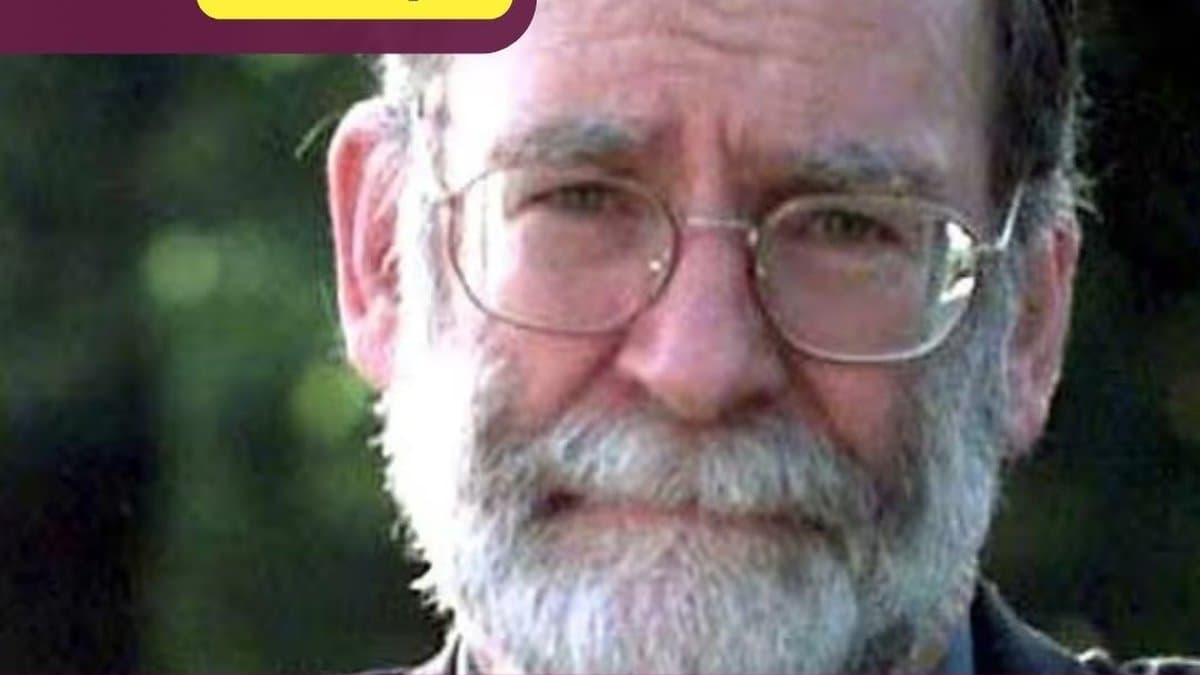
Preparing for your medicine interview means being ready to discuss hot topics and ethical case studies. One of the most frequently cited examples is the Harold Shipman case, where an NHS GP was revealed to be one of the world’s most prolific serial killers.
In this article, you’ll find a clear Harold Shipman case summary, ethical analysis using the four pillars of medical ethics, and example medical school interview questions.
We’ll also cover Shipman’s background, possible psychological diagnosis and motives, and how the NHS changed after the Shipman Inquiry.
Dr Harold Shipman who was sometimes known as "Doctor Death", was a general practitioner (GP) who worked in the NHS for over twenty years.
Whilst working as a GP where he cared for over 3000 patients, he is thought to have murdered at least 250 of his predominantly elderly female patients with lethal doses of diamorphine (heroin).
Born in Nottingham, Shipman was a confident and clever child who was accepted into the local grammar school. His life changed dramatically when his mother died of lung cancer during which time he noticed that she was requiring significant amounts of morphine to keep the pain at bay.
Shipman went on to study medicine at Leeds Medical School, but his life became complicated when his girlfriend became pregnant. They got married, and together they had four children. Shipman soon began to have blackouts, and his colleagues discovered that he was addicted to pethidine (a morphine-like drug). He was convicted of making out drug prescriptions to himself and given a heavy fine. Despite this, he was not struck off.
Shipman continued working in the Hyde and Pennine areas of Greater Manchester, England and had been practising medicine since 1974. Some of his victims were named in court as Irene Turner, Kathleen Grundy, Winifred Mellor, Pamela Hillier, and Ivy Lomas. His motivations for committing such horrific crimes remain unknown, but it is believed that he may have been driven by a need for control and power.
Shipman's horrific crimes were revealed after a GP colleague raised suspicions to higher powers such as the GMC. It was since revealed that Dr Shipman had been falsifying medical records to hide his murders.
Shipman was found guilty of 15 murders in January 2000 and sentenced to life imprisonment, never showing remorse. The Shipman Inquiry, chaired by Dame Janet Smith, concluded he had killed at least 215 patients, with a realistic total of around 250.
The case of Harold Shipman serves as a reminder of the importance of ensuring that medical professionals are held to the highest standards of accountability and regulation so that patients are protected from any potential danger.
Background Information & Potential Medicine Interview Questions on Harold Shipman
What were the allegations against Harold Shipman?
Shipman was charged with, and in January 2000 convicted of, the murder of 15 patients. He killed them using lethal doses of drugs, principally diamorphine (heroin). The later Shipman Inquiry concluded he was responsible for many more deaths.
How many victims were there?
Although Harold Shipman was convicted of 15 murders, the Shipman Inquiry concluded he had unlawfully killed at least 215 patients, and the realistic total is generally estimated at around 250.
One distinction worth holding on to: Shipman was a murder case, not a negligence case. The tests that decide whether ordinary clinical care fell below an acceptable standard, explained in our guide to Bolam, Bolitho and medical negligence, have nothing to say about deliberate killing. Candidates who blur the two lose credibility quickly.
What evidence was presented against him?
The evidence that was presented against Shipman included testimonies from his colleagues and forensic evidence from the bodies of his victims. There was also evidence of Shipman having forged the medical records of his victims, in order to cover up his crimes.
What were the consequences of his crimes?
Shipman was sentenced to life in prison, with a recommendation that he serve at least 15 years before being eligible for parole. The judge presiding over the case said that Shipman's actions were 'truly heinous', and that he had shown no remorse for the families of the victims.
He was also struck off the medical register, meaning he would never be able to practice medicine again and was effectively banned from the medical profession for life. His sentence was a clear message that such callous disregard for human life would not be tolerated.
What motivated Dr. Harold Shipman to commit these crimes?
Various explanations have been suggested for his crimes, such as a desire for control or a sense of power over life and death, but no definitive motive was ever established. In an interview it is best to avoid amateur psychiatric diagnosis and to focus instead on the systemic failures the case exposed.
Whatever the source of his motivation, it is clear that Shipman's actions were reprehensible and must not be forgotten.
What did his family and colleagues think of him?
Shipman's family and colleagues were utterly devastated when his dark secrets were finally uncovered. Having known him for many years, they had all considered him to be a gentle and devoted physician who had provided outstanding care to his patients.
To them, it was almost incomprehensible that he could be guilty of such heinous crimes.
The shock of discovering the truth was immense, and they were left struggling to come to terms with the fact that the man they had known and trusted had betrayed them in such a cruel way.
What happened to Dr Harold Shipman after his conviction?
After his conviction, Shipman was sentenced to life in prison, with the court strongly recommending that he serve at least 15 years in prison before being eligible for parole.
As a result of his conviction, Shipman was also struck off the medical register, meaning that he would never be able to practice medicine again, and his professional reputation would be permanently tarnished.
The court's decision was a clear indication that his actions were completely unacceptable and that there was no place in the medical profession for such a person.
Is Harold Shipman still alive?
No, Harold Shipman, the notorious British serial killer, died in 2004, while still serving his life sentence in prison.
On the 13th of January 2004, Shipman committed suicide in his prison cell, bringing an end to a long and dark chapter in British criminal history.
There are some speculations that Harold Shipman may have had a personality disorder - but these are largely unfounded.
Interview coaching
Choose your 1-1 interview coaching
Rated 5.0 from 660+ reviews. Practise with experienced interview experts: mock MMI and panel interviews, scored with feedback.
The case of Harold Shipman is a stark reminder of the critical importance of ensuring that medical professionals are held to the highest standards of accountability and regulation so that patients are safeguarded from any potential harm.
It is also a reminder of the need for mental health professionals to be vigilant in identifying any possible signs of mental illness in their patients, as such illnesses can have severe ramifications for those affected, as well as for the wider population.
Furthermore, it is a reminder that people are capable of committing terrible acts, and that no one should ever be beyond suspicion.
It is essential that we strive to maintain the highest levels of safety and security for our society, and that we remain vigilant in monitoring and regulating medical practitioners, mental health professionals, and all other individuals who come into contact with vulnerable members of the public.
The Shipman Inquiry: How Did The NHS Change After This Case?
The Shipman Inquiry was a public inquiry into the murders committed by Harold Shipman, a British general practitioner estimated to have killed around 250 patients over roughly two decades. The inquiry was chaired by Dame Janet Smith and published its findings in six reports between 2002 and 2005.
The inquiry's findings were highly critical of the medical profession and the regulatory authorities. The inquiry found that Shipman was able to kill his patients for so long because there were no effective systems in place to track his prescribing habits or to investigate suspicious deaths.
The inquiry also found that the General Medical Council (GMC), the body responsible for regulating doctors in the UK, had failed to adequately investigate complaints about Shipman's conduct.
The inquiry recommendations led to a number of changes in the way that the medical profession is regulated and monitored in the UK.
The Shipman Inquiry was a watershed moment for the medical profession in the UK. The inquiry's findings and recommendations have led to significant changes in the way that the profession is regulated and monitored.
These changes have helped to improve patient safety and to prevent future tragedies like the Shipman murders.
Here are some of the specific recommendations made by the Shipman Inquiry:
The GMC should be given more power to investigate complaints about doctors' conduct.
The introduction of a new system for tracking doctors' prescribing habits.
The creation of a new independent body, the Care Quality Commission, to inspect and regulate healthcare providers.
There should be better training for doctors in ethics and patient safety.
The Shipman Inquiry recommendations have been largely implemented, and the medical profession in the UK is now much more closely regulated and monitored than it was before the inquiry. However, there is still more work to be done to ensure that patients are safe from harm.
What are the ethical implications of the Harold Shipman case?
The Harold Shipman case brings to light a number of complex ethical questions, not only regarding medical ethics, patient safety and the regulation of medical professionals, but also the core values of the NHS; care, compassion, respect, and dignity.
It highlights the four pillars of medical ethics; autonomy, beneficence, non-maleficence and justice, and raises the question of the need for mental health professionals to be able to identify signs of mental illness in their patients.
Harold Shipman: Ethics
Autonomy: This principle states that patients have the right to make their own decisions about their medical care, even if those decisions are not in their best interests. Shipman abused this principle by deceiving his patients into believing that they needed more medication than they actually did.
Beneficence: This principle states that doctors have a duty to act in the best interests of their patients. Shipman violated this principle by killing his patients, even though he knew that they did not need to die.
Non-maleficence: This principle states that doctors should do no harm to their patients. Shipman violated this principle by killing his patients, which caused them physical and emotional harm.
Justice: This principle states that doctors should treat all patients fairly, regardless of their race, ethnicity, gender, or socioeconomic status. Shipman violated this principle by targeting elderly women for his crimes.
In addition to these four principles, the Shipman case also raises questions about the need for better monitoring and regulation of medical professionals. Shipman was able to kill his patients for many years without being caught because there were no effective systems in place to track his prescribing habits or to investigate suspicious deaths.
The Shipman case is a reminder that even the most trusted members of our society can be capable of committing terrible crimes. It is important that we remain vigilant in protecting our patients and ensuring that they receive the care they deserve.
It is crucial that we remain mindful of the ethical principles that are so important to medical practice, and strive to protect and care for those who put their trust in us.
Preparing For Your Medicine Interview about Harold Shipman
When preparing for your medicine interview, it is important to have a good understanding of the Harold Shipman case. You should be familiar with the allegations against him, the number of victims and the evidence presented against him.
It is also important to be aware of the ethical implications of Shipman's actions, as well as the consequences of his crimes. Additionally, it is important to be able to discuss the measures taken by the NHS to prevent similar cases from occurring in the future.
You should also be prepared to answer questions about what motivated Shipman to commit his crimes, as well as his family and colleagues' reactions to his crimes.
By familiarising yourself with hot topics such as this and those on others such as the Charlie Gard Case, you will be able to demonstrate your understanding of the case and be able to confidently answer any questions about it in your medicine interview.
Harold Shipman's 1983 'World in Action' Television Interview
Years before his crimes were uncovered, Shipman appeared on Granada Television's current affairs programme World in Action, broadcast in 1983, as a respected local GP in Hyde, Greater Manchester.
The programme looked at how people with mental illness should be cared for in the community, and Shipman featured as a trusted, articulate doctor speaking in support of treating patients outside hospital. At the time he was seen simply as a hard-working family physician, and nothing in the footage hinted at what he was doing to his patients.
The footage is now deeply unsettling precisely because it shows how completely a plausible, well-regarded doctor could conceal serious wrongdoing behind a trustworthy public face. For a medicine interview, this is a powerful illustration of why patient safety cannot rest on trust in one individual's character alone.
Safe systems require robust safeguards that work regardless of how convincing a clinician seems: proper monitoring of controlled drugs, scrutiny of death certification, regular revalidation of doctors, and a culture where colleagues feel able to raise concerns through whistleblowing. It was exactly the absence of these systems that allowed Shipman to continue undetected for so long.
It is worth noting that when candidates search for the 'Harold Shipman interview', some mean this television appearance, while others are looking for interview questions about the case. Both are useful to prepare, so the example questions and ethical analysis throughout this guide will help you discuss Shipman confidently in your own medicine interview.
Conclusion
Harold Shipman remains one of the most prolific serial killers of all time, and his crimes shocked the nation when they were revealed. His victims were vulnerable and trusting individuals, who had no way of knowing the true nature of the man who was looking after them.
His actions were a terrible reminder of the importance of ensuring that medical professionals are properly monitored and regulated, in order to protect patients from harm.
Contact us
Want expert help with your application?
From 1-1 tutoring and personal statement editing to interview coaching and our all-in-one Ultimate Package, we support every stage. Tell us what you are working towards and we will recommend the right option.
FAQs
Frequently asked questions
Who was Harold Shipman and what did he do?
Harold Shipman was a British GP who practised in Hyde, Greater Manchester, and is regarded as the most prolific serial killer in UK history. Trusted by his community, he murdered elderly patients with lethal injections of diamorphine (heroin) over more than two decades. In January 2000 he was convicted of 15 murders, and the later Shipman Inquiry concluded the true total was far higher. For medicine interviews, his case is the starkest example of a doctor abusing the trust at the heart of the doctor-patient relationship.
How many patients did Harold Shipman kill?
He was formally convicted of 15 murders, but the Shipman Inquiry, chaired by Dame Janet Smith, concluded he had unlawfully killed at least 215 patients, with a realistic total of around 250. Most victims were elderly and were killed with injections of diamorphine. The fact that this went undetected for so long is exactly why the case drove sweeping reforms to how deaths are certified and monitored in the UK.
What was Harold Shipman's motive?
No definitive motive was ever established. Shipman never confessed and offered no explanation, so any account is informed speculation. The prevailing theory is a desire for control and power over life and death rather than financial gain, although his forgery of Kathleen Grundy's will showed money played some part. In an interview, the safe answer is that the motive remains unknown, and to focus instead on the systemic failures the case exposed.
How was Harold Shipman caught?
Concerns were first raised by a fellow GP and a local undertaker about his unusually high number of patient deaths, but the decisive break came when he forged the will of his patient Kathleen Grundy, leaving her estate to himself. Her daughter, a solicitor, was suspicious, and a post-mortem found morphine in the body. This led to further exhumations, analysis of his altered medical records and his arrest. The lesson for interviews is that no single safeguard stopped him: it took a vigilant family member, not the medical system, to expose him.
Was Harold Shipman diagnosed with a mental disorder?
Shipman was assessed as fit to stand trial and was never given a formal psychiatric diagnosis that explained his crimes. Commentators have speculated about traits such as narcissistic personality disorder, but these claims are largely unfounded, and he maintained his innocence and never spoke about his actions. He did have an earlier pethidine addiction and a 1976 conviction for forging his own prescriptions. In an interview it is wise to avoid armchair diagnosis and stick to what is documented.
What was the Shipman Inquiry and how did the NHS change afterwards?
The Shipman Inquiry, chaired by Dame Janet Smith, examined how Shipman went undetected for so long and published its findings in a series of reports from 2001. It was highly critical of the medical profession and regulators. Key reforms that followed included tighter monitoring and recording of controlled drugs such as diamorphine, reform of death and cremation certification leading to independent medical examiners, a strengthened GMC with revalidation so doctors must periodically prove they remain fit to practise, and stronger inspection of healthcare providers. These are excellent concrete examples to cite when an interviewer asks how a scandal improved patient safety.
Which medical ethics principles does the Harold Shipman case raise?
The case breaches all four pillars of medical ethics: autonomy, beneficence, non-maleficence and justice. Most obviously it violates non-maleficence (first do no harm) and respect for patient autonomy, while also raising beneficence and justice, as he targeted vulnerable elderly patients. It illustrates the power imbalance between doctor and patient, the importance of the duty of candour, and the standards set out in the GMC's Good Medical Practice. A strong answer links the case to safeguards such as revalidation, whistleblowing and clinical governance that protect patients today.
How might Harold Shipman come up in a medicine interview?
You may be asked what the case teaches us, how the NHS responded, or which ethical principles it engages, rather than the gruesome details. Interviewers use it to test whether you understand trust, accountability and patient safety. Focus your answer on the systemic response: revalidation, controlled-drug monitoring, death-certification reform and a culture where staff can safely raise concerns. Above all, show that you can discuss a difficult and sensitive topic calmly and professionally.
Ultimate Package students from our 2025/26 cycle, with their UCAT scores and offers, who trained with us for the UCAT, personal statements and interviews.
Ultimate Package
S
Sophie
Medicine, King's College London
2025 UCAT2,590 / 2,700
“Harry got my UCAT up to 2,590, working through the sections I kept dropping marks on week by week. Gemma then ran my interview practice so the MMI stations didn't catch me out, and Dr Akash mentored me the whole way through. I'm off to King's for Medicine.”
Ultimate Package
D
Daniel
Medicine, University College London
Medicine offers4 offers
“The interview prep was the part that actually moved the needle. Proper mock MMIs, not just lists of questions, and feedback that was honest about what I was getting wrong. I ended up with four offers and firmed UCL.”
Ultimate Package
A
Aisha
Dentistry, University of Birmingham
Dentistry offers4 offers
“The Ultimate Package kept me organised from UCAT through to interviews. They knew what dental schools actually ask and tightened up my personal statement. Four offers in the end, and I'm going to Birmingham.”
Ultimate Package
C
Charlotte
Veterinary Medicine, Royal Veterinary College
Vet offers4 offers
“Vet applications come down to the written SAQs as much as the interview. Dr Rebecca went through my SAQs line by line, sharpened my answers and prepped me for the panels. I came away with four offers and chose the RVC.”