10 hours
1-1 interview coaching
Reviewed by Dr Shaneil Tanna
A frequently-asked type of MMI medical school interview question is NHS hot topic questions about medicine current affairs. In these, you may be asked to talk about something which you think is an essential contemporary medical issue - or you may be given one and asked to provide your thoughts. Either way, it’s important to understand some of the most frequently discussed topics and current medical issues affecting the NHS in 2026.
Hot topics rarely come up in isolation, so treat this page as your current-affairs hub and use it alongside our NHS medicine interview topics guide, the medical ethics interview questions guide and the MMI interview preparation guide.
This article expands on some of the most important hot topics in medicine 2026 about GPs and hospitals for you to know and provides links for further research so that you can look more into those that interest you.
Don’t worry too much about knowing the specific details of all of these. Instead, you ought to familiarise yourself with a broad overview of some of these topics and the particular details of one or two. There are just so many NHS hot topics that can come up such as eugenics, race, ethics etc, that it is difficult to be completely prepared.
The only way to know whether you can actually discuss these topics under pressure is to be asked about them. Our 1-1 medicine interview tutoring does that every session, with an interview expert asking the hot-topic follow-ups your universities use and marking your answers. To test yourself first, a single medicine mock interview does the same for one hour, with around 30 minutes of feedback and a plan.
In this article, you will find out and read about common medicine interview hot topics questions such as:
Tap any article to read our full, up-to-date guide.














Timeless material for ethics and patient-safety questions. These are not current affairs, so learn them once and never offer one as something you read recently.


⭐1:1 Interview Mock Tutoring - Free Consultation With Experts Today ⭐
Check out our Medicine Interview Tutoring and Interview Question Bank which has over 400 medicine questions and answer guides for your practice.
Ranked by how likely each is to come up in a 2026-27 medicine interview, as of October 2026. Each entry links to its section further down this page, where you will find the background, both sides of the argument and practice questions. The one-line notes are mine, written as I would explain each topic to a student across a table. Reread the top five in the week before your interview, because most of them are still moving.
Everything else on this page is either a perennial debate, which you need a framework for rather than this week's news, or a landmark case, which you should know but never offer as something you read recently.
Weight loss injections such as semaglutide and tirzepatide have become one of the most current hot topics in medicine, appearing regularly in the news and at interview.
These medications, originally developed for type 2 diabetes, can produce significant weight loss and are being rolled out through the NHS for certain patients. They are widely seen as a potential tool against the UK's obesity crisis.
The ethical and practical questions are rich: who should be eligible, the cost to the NHS, whether the benefits last once treatment stops, the risk of shortages for diabetic patients, and the dangers of unregulated online supply.
A good answer links the science to the bigger public health picture, recognising that medication is only one part of tackling obesity, alongside prevention, diet and lifestyle.
👉 Read More: Weight Loss Injections: Ethical Issues
Equality and diversity is one of the most common interview topics, usually as a run of short questions: what does equality, diversity and inclusion mean, what does the Equality Act protect, what would you add to it, and why does diversity matter in a medical workforce. Variations include why training in a diverse area matters, a workplace racism scenario, and how you would care for an LGBTQ+ patient.
The Equality Act 2010 brought earlier discrimination law into one Act. It protects nine characteristics: age, disability, gender reassignment, marriage and civil partnership, pregnancy and maternity, race, religion or belief, sex, and sexual orientation. Public bodies including the NHS also carry the public sector equality duty, which means they must actively consider how their decisions affect people with these characteristics, not just avoid discriminating.
A good answer on why diversity matters goes beyond fairness to the staff. Patients are more likely to trust, disclose to and follow advice from a workforce that reflects them; interpreters and cultural understanding change outcomes; and a team with different backgrounds spots problems a uniform one misses. Pair that with one concrete example from your own experience or work experience rather than a slogan.
Questions about transgender patients also come up, including which ward a patient should be placed on and trans women in sport. Answer with the person in front of you: dignity, privacy, using the name and pronouns they ask for, and confidentiality, while acknowledging that the law here is contested. In April 2025 the Supreme Court ruled that "sex" in the Equality Act means biological sex, and guidance on single-sex spaces has been under review since. Show you know that, stay calm, and keep the focus on safe, respectful care for everyone on the ward.
👉 Read More: BAME Staff and Racism in the NHS
👉 Read More: Health Inequalities and the Marmot Review
Industrial action by doctors has been one of the biggest NHS stories of recent years and is a very current interview topic.
Junior doctors, now known as resident doctors, took part in a series of strikes over pay and working conditions, alongside action by nurses and other staff. The disputes centre on years of real-terms pay erosion, heavy workloads, and concerns about retention and morale.
Be ready to discuss both sides: the right of staff to fair pay and safe conditions, set against the impact of strikes on patients and waiting lists, and the ethical tension this creates for doctors who care deeply about their patients.
This topic connects to the wider issues of workforce shortages, retention, and why many doctors are choosing to leave the NHS, all of which interviewers value an awareness of.
Go deeper with our guides on resident and junior doctor strikes, why so many resident doctors are leaving the NHS and the wider NHS GP shortage and crisis.
👉 Read More: Resident & Junior Doctor Strikes in the UK
Strikes, workforce pressure and how the NHS is structured and funded are covered in the dedicated medicine hot-topics hour of our one-day medicine interview course, taught live by Dr Akash.
The Medical Training (Prioritisation) Act 2026 became law on 5 March 2026 after being fast-tracked through Parliament as emergency legislation. It requires NHS foundation and specialty training posts to be offered first to a priority group, mainly graduates of UK and Irish medical schools, before anyone else.
It was a response to a training bottleneck. In the 2026 round there were close to 3.8 applicants for every specialty training place at CT1/ST1 level, and many UK graduates were left without a post after foundation training.
For specialty training, the priority group also includes graduates from Norway, Iceland, Liechtenstein and Switzerland, doctors who have already completed UK foundation or core training, and doctors with certain settled immigration statuses. From 2027, prioritisation also applies at shortlisting and interview, not only when offers are made.
This is a justice question with more than one fair answer. It protects the public investment in UK-trained doctors and may reduce recruitment from countries that need their doctors more, but it can disadvantage international doctors who already work in the NHS. It also links to the resident doctor strikes above, as the Act formed part of the wider dispute with the BMA.
👉 Read More: The Medical Training (Prioritisation) Act 2026
Artificial intelligence is one of the most current and frequently asked hot topics in medicine interviews, so it is well worth understanding in depth.
Across the NHS, AI is increasingly used to help read scans and X-rays, flag patients at risk of deterioration, triage referrals and cut administrative workload. Tools that detect cancers or diabetic eye disease earlier are already being used in practice.
The opportunities are matched by important questions: who is accountable when an algorithm is wrong, how patient data is protected, whether AI could widen or narrow health inequalities, and how we keep the human relationship at the centre of care.
A strong interview answer shows balance: genuine enthusiasm for what AI can do, alongside a clear grasp of its risks and limits. AI should support clinicians, not replace clinical judgement.
For the depth interviewers reward, read our full AI in Medicine, the NHS and Healthcare guide, and pair it with the wider NHS structure explained so you can place new technology in the context of how the health service actually works.
👉 Read More: AI in Medicine, the NHS & Healthcare
Lucy Letby, a neonatal nurse at the Countess of Chester Hospital, was convicted in August 2023 of murdering seven babies and attempting to murder seven others on the neonatal unit between June 2015 and June 2016. A retrial in July 2024 added a further conviction for attempted murder, and she is serving whole-life orders.
The Thirlwall Inquiry published its final report on 15 September 2026. It found dysfunctional management and governance at the hospital, that consultants' concerns were not acted on, and that some babies' collapses and deaths could have been avoided if safeguarding practices had been followed. Its 17 recommendations include a protocol for managers when a staff member is suspected of deliberate harm, a barring scheme for NHS managers, cot cameras in neonatal units, and tighter controls on access to insulin.
Separately, the Criminal Cases Review Commission is reviewing whether the convictions are safe. In an interview you do not need to take a view on the verdict. It is fine to say the review is ongoing and then focus on the lessons for patient safety, whistleblowing and the duty of managers to act on concerns.
👉 Read More: Lucy Letby Case and the Thirlwall Report
A major structural change worth knowing about is the decision to abolish NHS England and bring its functions back under the Department of Health and Social Care (DHSC). Announced in March 2025 and confirmed in the 10 Year Health Plan in July 2025, the move folds NHS England (the arm's length body that ran the health service day to day) into central government and cuts central headcount by around half. Full abolition needs primary legislation, so it is being phased in.
NHS England was the arm's length body that ran the health service day to day. Folding it back into central government is intended to cut duplication, reduce bureaucracy and bring clearer political accountability, though critics warn of disruption during an already difficult period.
For interviews, this shows that you follow how the NHS is organised and governed. You can discuss the balance between political control and operational independence, and whether reorganisation genuinely helps or distracts from front-line pressures.
It pairs well with a wider understanding of NHS structure, integrated care systems, and the role of bodies such as NICE and the CQC.
👉 Read More: NHS England Abolished 2025
Assisted dying is one of the most talked about ethical issues in UK healthcare. Kim Leadbeater's Terminally Ill Adults (End of Life) Bill passed its third reading in the House of Commons in June 2025, but ran out of parliamentary time and fell when the session was prorogued in April 2026. It is expected to be reintroduced in a future session, so it remains a live debate rather than settled law.
Use precise language at interview: euthanasia, assisted suicide and assisted dying are distinct terms, and helping someone to end their life is currently unlawful in England and Wales.
The debate brings the four pillars of medical ethics into tension: respecting patient autonomy and relieving suffering, set against the duty not to harm, the risk of pressure on vulnerable people, and the proper role of doctors.
Interviewers do not expect you to pick a side. They want to see that you can argue both positions calmly, acknowledge the safeguards involved, and remain respectful of differing views.
👉 Read More: Assisted Dying & Euthanasia in the UK
Sustainability comes up more each year, in three forms: why it matters to a doctor, how you would reduce pollution in a healthcare setting, and what you could do as a medical student. It can also arrive as an article on air pollution to summarise.
The NHS is responsible for around four to five per cent of England's carbon footprint. In 2020 it became the first health system in the world to commit to net zero: 2040 for the emissions it controls directly, such as buildings, fleet and anaesthetic gases, and 2045 for the wider footprint including its supply chain. The practical examples interviewers like are specific: switching from metered-dose inhalers with powerful greenhouse-gas propellants to dry-powder inhalers where clinically suitable, phasing out desflurane as an anaesthetic, reducing single-use plastics, and cutting patient travel through community and digital care.
Link it to health, not just the planet. Air pollution contributes to tens of thousands of deaths a year in the UK, and in 2020 a coroner recorded it as a cause of death for the first time, in the case of nine-year-old Ella Adoo-Kissi-Debrah. Heatwaves, new infectious disease patterns and food insecurity all land on the NHS. That is why the GMC expects doctors to understand sustainability and why it belongs in an interview answer about prevention.
As a medical student you can mention the small things honestly: choosing active travel, asking about greener prescribing on placement, and getting involved with a sustainability group at your medical school. Interviewers are testing whether you see the system, not whether you have solved it.
👉 Read More: The Greener NHS: Net Zero, Sustainability and Climate Change
Get interview-ready, 1-1
Mock MMI and panel interviews with personalised feedback.
Health inequalities are avoidable and unfair differences in health between groups of people. In England, a boy born in the poorest tenth of neighbourhoods can expect to live 10.4 years less than one born in the richest, and to spend around 19 fewer years in good health (ONS, 2022 to 2024).
The 2010 Marmot Review, Fair Society, Healthy Lives, argued that these gaps come mainly from the social determinants of health: income, education, work, housing and the places people live. Health falls at every step down the social ladder, not only at the bottom, which is why it is called a social gradient.
This is different from the postcode lottery above, which is about which treatments are funded where. Expect questions on what a doctor can do about causes that sit outside the NHS, and link your answer to justice, the fourth pillar of medical ethics.
👉 Read More: Health Inequalities and the Marmot Review
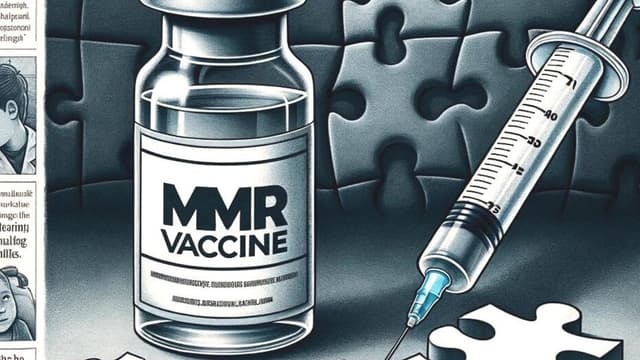
In 1998, Andrew Wakefield published his now-infamous paper linking the MMR (measles, mumps and rubella) vaccine to autism in children. This paper was later found to be fraudulent and Wakefield was disgraced. However, it sparked an anti-vaccination movement which continues to this day, with many continuing to champion Wakefield’s paper.
In particular, right-wing media in the UK continued to promote his views for years before his paper was found to be fraudulent - despite clear deficits in sample size from the beginning. They did so to oppose then-Prime Minister Tony Blair of the Labour party, who expressed views in favour of the vaccine. The ripple effects of this are still felt today, as MMR cases pop up in areas with higher proportions of anti-vaxxers.
Further reading: The Guardian
👉🏻 Read more: MMR Scandal & Dr Andrew Wakefield
The 10 Year Health Plan, Fit for the Future, is the government's plan for the NHS in England, published on 3 July 2025. It replaced the 2019 NHS Long Term Plan and is built on three shifts: hospital to community, analogue to digital, and sickness to prevention.
It's the thread that runs through most of the topics on this page. Neighbourhood health centres and same day GP access belong to the first shift, the NHS App and AI to the second, and the generational smoking ban and the obesity measures to the third. The abolition of NHS England below is part of the same plan.
For interviews, name the shift a question belongs to, give one example from the plan, and weigh the benefit against a realistic challenge such as staffing or digital exclusion.
👉 Read More: The NHS 10 Year Health Plan Explained
The size of NHS waiting lists is one of the defining challenges facing the health service, and a common interview topic. As of 2026 the elective waiting list in England stands at roughly 7.5 million pathways, well above pre-pandemic levels, and cutting it is a central pledge of the government's 10 Year Health Plan.
Following the pandemic, and against a backdrop of workforce shortages and rising demand, millions of patients are waiting for planned care, with knock-on effects for A&E, cancer targets and patient outcomes.
Proposed solutions include extra funding and capacity, use of the independent sector, better use of technology, more community and preventative care, and closing the workforce gap through plans such as the NHS Long Term Workforce Plan.
Interviewers want to see that you understand the human impact of waiting, the trade-offs between different solutions, and the link between the backlog and wider issues like funding and staffing.
👉 Read More: NHS Backlog & Waiting List Crisis
Corridor care is when patients are assessed, treated or left waiting on trolleys and chairs in corridors and other spaces not designed for care, because no bed or cubicle is free.
NHS England published its first official definition in March 2026: at least 45 minutes in a clinically inappropriate space in A&E or on a ward. In July 2026 an average of about 2,300 patients a day met that definition in A&E, with a further 728 counted on wards.
The main cause is exit block. Wards are full, often because patients who are well enough to leave are waiting for social care, so new patients can't move up from A&E. Interviewers use it to explore dignity, safety, fair use of resources and what a junior doctor can do on a busy shift.
👉 Read More: Corridor Care in the NHS
One key NHS Hot Topic in current affairs is antibiotic resistance. Antibiotic resistance describes the ongoing process that leads to bacteria becoming more and more resistant to commonly used antibiotics. This happens because of natural selection. Antibiotics kill bacteria - except those which have mutations making them resistant. These then multiply and become the dominant strain.
One important example of this is MRSA: methicillin-resistant staphylococcus aureus. This is predominantly transmitted in hospitals and is resistant to commonly used antibiotics such as penicillin. As bacteria become more resistant, we are also finding it harder to find new antibiotics that are distinct from those thathave already been discovered.
This further complicates the issue.
To deal with this issue, it is important to know when to prescribe antibiotics and when not to do so. In particular, doctors ought to be cautious - only using them when needed. Patients also need to use them responsibly, always finishing the course that has been prescribed.
👉🏼 Read more: Antibiotic Resistance In Medicine - The Ultimate Guide
To rehearse discussing these hot topics under interview conditions, book a mock interview with a medicine interview tutor who recently sat the same interviews.
For books to go alongside these topics, from Being Mortal to Bad Science, see our medicine reading list.
Baroness Valerie Amos led a national investigation into NHS maternity and neonatal care in England after a series of local scandals, including Shrewsbury and Telford, East Kent and Nottingham. Her final report was published on 30 June 2026.
It found that women and families were too often dismissed and unheard, that racism and discrimination make care less safe, and that services were poorly connected. Between 2022 and 2024 the maternal death rate was 2.7 times as high for Black women as for White women.
The report made eight recommendations, including a national Maternity and Neonatal Commissioner. For interviews, it is a strong example of why listening to patients, speaking up and teamwork are safety skills.
👉 Read More: The National Maternity and Neonatal Investigation
Martha's Rule is a recent and important patient safety topic that is well worth knowing for interviews.
It was introduced after the death of Martha Mills, who died from sepsis after concerns raised by her family were not acted on quickly enough. The rule gives patients and families the right to seek an urgent second opinion if they feel a patient is deteriorating and is not being heard.
It is being rolled out across NHS hospitals and reflects a wider move towards treating patients and families as partners in safe care.
This topic lets you discuss patient-centred care, the value of speaking up, the escalation of concerns, and learning from tragedy to improve the system, all qualities that interviewers value.
👉 Read More: Martha's Rule - NHS Hot Topics
Choose your 1-1 interview coaching
Rated 5.0 from 660+ reviews. Practise with experienced interview experts: mock MMI and panel interviews, scored with feedback.
10 hours
1-1 interview coaching
20 hours
1-1 interview coaching
30 hours
1-1 interview coaching
Whistleblowing within the National Health Service (NHS) represents a critical safeguard for maintaining high standards of patient care and ethical conduct. It involves staff members raising concerns about malpractices or risks to patient safety, often at personal risk.
This mechanism is essential for uncovering hidden issues that could compromise healthcare quality. The NHS has established robust policies to protect and encourage whistleblowers, acknowledging their role in fostering a transparent and accountable healthcare environment.
The significance of whistleblowing has been highlighted in various cases, where courageous individuals have brought attention to critical lapses in care, leading to systemic changes and improvements in patient safety standards.
👉🏻 Read more: NHS Whistleblowing Interview Guide
Breaking confidentiality is often considered to be a serious matter in medicine, however, breaches of confidentiality in healthcare are far more common than we may think. A report published in BMC Medical Ethics and linked below made headlines in 2016. It highlights some of the most common breaches in confidentiality.
In particular, over half of breaches involve the disclosure of medical information to a healthcare professional not involved in that particular patient’s care. Also relevant is the disclosure of confidential information to family members without that particular individual’s consent.
Consider the extent to which some healthcare professionals may not be aware of confidentiality rules, particularly when discussing matters with a family member without first verifying their identity and that the patient is happy for this disclosure to take place.
This paper can be very useful to reference in questions about confidentiality.
Further reading: National Centre for Biochemistry Information
👉🏻 Read More: Confidentiality in Health Care in the UK - Medicine Interview Questions
Gillick competence & the Fraser guidelines are key terms in discussion around medical consent and capacity. They originate from a 1980s court case with sought to determine whether a doctor could give contraceptive advice or treatment to a patient below the age of 16 without parental consent. The terms are often used interchangeably but have different definitions.
The Fraser guidelines are specific to contraception and sexual health. However, the test of Gillick competence serves as a general framework for all medical decision-making in teenagers. They guide whether or not a teenager demonstrates the capacity required to consent to medical processes. As such, there is no age of Gillick competence - different people will reach the threshold at different points.
It is always important to encourage children to discuss medical treatment with their parents, but when they don’t, these guidelines impact the follow-up process.
You can read more about consent and capacity in our medical ethics guides.
Further reading: NSPCC learning
👉🏼 Read More: Gillick Competence & Fraser Guidelines: NHS Hot Topics Interview Questions
The NHS (National Health Service) has helped millions of individuals since it was created in the middle of the 20th century in the UK. Over time, the NHS has established six core values to help guide its mission and culture.
It is fundamental that you know these 6 core values before any interview with the NHS or healthcare provider - and especially a medicine interview in the UK.
Think about how you can use them both in terms of your past experiences and also about applying them to your own situations, both in the present and in the future.
👉🏻 Read more: 6 NHS Core Values for Medicine Interview
Good Medical Practice is the General Medical Council's core guidance for every UK doctor. The current edition came into force on 30 January 2024, replacing the 2013 version, and it is still the version in force for 2026/27 interviews. Since 13 December 2024 it has also applied to physician associates and anaesthesia associates.
It is organised into four domains: knowledge, skills and development; patients, partnership and communication; colleagues, culture and safety; and trust and professionalism. The main changes are a stronger focus on partnership with patients and shared decision making, an expectation that doctors act on bullying, harassment and discrimination they witness, and, for the first time, explicit standards on sexual harassment.
You will not need to quote it, but tying an answer to the standards a doctor is held to is a quick way to show you understand professionalism. It also connects to the physician associates debate above.
👉 Read More: Good Medical Practice 2024: Summary of Changes
The discussion around the privatisation of the NHS involves debates over the increasing involvement of private companies in providing NHS services.
Proponents argue that private sector involvement can bring efficiency, innovation, and choice, potentially relieving the financial strain on the public system.
Critics, however, worry that it may lead to a two-tier system, where quality of care is dependent on the ability to pay, undermining the NHS's foundational principle of universal healthcare.
This ongoing debate touches upon fundamental questions about the nature of healthcare provision in the UK, the role of the state versus the market in service delivery, and how to best achieve a sustainable and equitable healthcare system.
👉🏻 Read more: Privatisation of the NHS
The NHS Postcode Lottery is a pressing issue in the UK's healthcare system, highlighting disparities in access to medical treatments and services based on geographical location.
This "lottery" results in varying levels of healthcare provision across different regions, with some areas offering more comprehensive or specialised services than others. Factors contributing to these disparities include regional funding variations, differential health needs based on population demographics, and socio-economic conditions.
👉🏻 Read more: NHS Postcode Lottery
Abortion is a crucial component of reproductive rights. Reproductive justice describes the principle that all people should have the right to decide both when not to have children and when to have children.
Termination of pregnancy in the UK is technically criminalised with an exception for cases in which the physical or mental health of the mother is at risk - which can apply to any pregnancy, and is why women can access abortions for any reason up to 24 weeks and if there is a threat to life afterwards. The decriminalisation of abortion is a key topic that you could discuss in a medical interview.
Additionally, think about whether or not conscientious objections should be allowed - should religious doctors or others with a moral objection to termination of pregnancy be allowed not to perform them?
Further reading: BBC
👉🏼 Read more: Abortion In The Medical Interview - Everything You Need To Know
The role of physician associates, or PAs, has become a major talking point in the NHS and a very current interview topic.
PAs are healthcare professionals who support doctors in assessing and managing patients. Their numbers have grown quickly, and this expansion has prompted debate about scope of practice, supervision, regulation, and how clearly the role is explained to patients.
The discussion sharpened after high-profile cases and concerns raised by doctors' organisations, leading to reviews of how PAs are deployed and regulated.
For interviews, this topic lets you show awareness of the wider healthcare team, the importance of clear professional boundaries, and the balance between easing pressure on doctors and protecting patient safety.
👉 Read More: Physician Associate Ultimate Guide
The Tobacco and Vapes Act 2026 received Royal Assent on 29 April 2026 and creates the UK's first generational smoking ban.
From 1 January 2027, it will be illegal to sell tobacco to anyone born on or after 1 January 2009, so the age at which you can legally buy cigarettes rises by one year every year. The Act also extends smoke-free areas to places such as children's playgrounds and the outside of schools and hospitals, and tightens the rules on vape flavours, packaging and advertising. Different parts come into force on different dates.
Smoking causes around 64,000 deaths a year in England and costs the NHS about £3 billion annually, which is why the government presents the Act as prevention over cure.
Interviewers use this topic to test the tension between autonomy and public health. Be ready to argue both sides: nicotine addiction limits real choice and the costs fall on everyone, set against concerns about paternalism, a black market, and New Zealand reversing its own generational ban after a change of government.
👉 Read More: UK Smoking Ban 2026 and the Tobacco and Vapes Act
Jess's Rule is a patient safety initiative for GP practices, launched by NHS England on 23 September 2025 with the Royal College of General Practitioners.
It is named after Jessica Brady, who died aged 27 in December 2020 from stage 4 cancer after around twenty GP contacts in five months, during which her symptoms were put down to long Covid. The rule asks GPs to reflect, review and rethink when a patient attends three times with the same or worsening symptoms and no clear diagnosis: three strikes and we rethink.
It is guidance, not law, and currently applies in England only. It pairs well with Martha's Rule above: one helps families escalate concerns in hospital, the other prompts GPs to step back from a working diagnosis. Both lead into questions about diagnostic error, confirmation bias, continuity of care and pressure on GP appointments.
👉 Read More: Jess's Rule - NHS Hot Topics
The UK Medical Licensing Assessment, or UKMLA, is a newer development that is especially relevant to anyone applying to study medicine.
The UKMLA is a common assessment that doctors must pass to practise in the UK, whether they trained at a UK medical school or overseas. It aims to set a single, consistent standard of safe practice across the whole profession.
It has two parts: an applied knowledge test and a clinical and professional skills assessment. UK medical schools have been integrating the UKMLA into their final examinations.
Mentioning the UKMLA shows genuine insight into the training pathway ahead of you and the importance of consistent standards and patient safety. It is a strong way to demonstrate that you understand what becoming a doctor actually involves.
👉 Read More: What Is the UKMLA Exam?
Gene editing changes a patient's own DNA. CRISPR uses a guide RNA to find a target sequence and an enzyme, usually Cas9, to cut it.
It is already part of NHS care. Casgevy, the world's first licensed CRISPR therapy, was approved in the UK in November 2023 for sickle cell disease and beta thalassaemia in patients aged 12 and over. NICE has agreed the NHS should fund it, at a list price of about £1.65 million per patient before the confidential NHS discount.
UK law allows somatic editing, which affects only the patient, but bans editing embryos, eggs or sperm to create a pregnancy, because the change would pass to future generations. Interview questions tend to test cost and fairness, consent for a 12-year-old, and where treatment ends and enhancement begins.
👉 Read More: CRISPR, Gene Editing and Gene Therapy Ethics
"Cannabis oil in medicine" is a growing field of interest in the UK, as research continues to explore its therapeutic potential. The NHS has cautiously begun to prescribe cannabis oil for a limited number of conditions, such as epilepsy and multiple sclerosis, under strict regulations. This oil, rich in cannabinoids like CBD and THC, is believed to alleviate chronic pain, reduce inflammation, and improve sleep, among other benefits. Prospective medical students should familiarise themselves with the ongoing clinical trials, legal framework, and ethical considerations surrounding medical cannabis to adeptly discuss this evolving topic during their interviews.
The NHS has made significant strides in "HIV prevention" with the widespread availability of Pre-Exposure Prophylaxis (PrEP). This proactive treatment is a cornerstone in the fight against HIV/AIDS, drastically reducing the risk of transmission among high-risk populations. Discussions around HIV & PrEP focused on access, awareness, and the integration of PrEP into sexual health practices. Medical interviewees are expected to understand the impact of PrEP on public health, the importance of early diagnosis of HIV, and the implications of antiretroviral therapy on patient quality of life.
"Monkeypox" emerged as a notable concern for the NHS in recent years, with outbreaks prompting public health responses. Prospective medical students should be knowledgeable about the symptoms, transmission, and prevention strategies for monkeypox. Awareness of the NHS guidance on monkeypox vaccination, treatment options, and the efforts to contain its spread will be critical points of discussion. The topic also offers an opportunity to showcase understanding of global health relations, vaccine equity, and the importance of an agile healthcare system in responding to emerging infectious diseases.
The obesity crisis in the UK is a pressing health concern, characterised by a high prevalence of obesity among adults. Key factors contributing to this issue include lifestyle choices, environmental influences, and genetic predispositions. The crisis has significant health implications, leading to reduced life expectancy and increased risk of various diseases. Addressing obesity involves public health initiatives like the sugar tax, NHS health campaigns, and mandatory calorie labelling in restaurants. Ethical considerations and the role of healthcare professionals in managing obesity are also critical aspects of this challenge.
👉🏻 Read more: Obesity Ethics For MMI Interviews
The NHS Pharmacy First Initiative, launched on January 31, 2024, represents a significant shift in the UK's approach to healthcare delivery. This innovative program empowers community pharmacists across England to diagnose and treat seven specific common conditions, including acute otitis media, impetigo, infected insect bites, shingles, sinusitis, sore throat, and uncomplicated urinary tract infections in women. By allowing pharmacists to supply prescription-only medications where clinically appropriate without a GP visit, the initiative aims to enhance patient access to healthcare, alleviate the workload on general practices, and streamline the process of managing minor conditions.
👉🏻 Read more: NHS Pharmacy First Initiative
Lord Darzi’s independent investigation into the NHS focuses on the future of healthcare in the UK, addressing major challenges such as workforce shortages, underfunding, and the increasing demand for services due to an ageing population. The report emphasises the need for a patient-centred approach, health and social care integration, and greater use of technology and innovation to enhance efficiency and patient outcomes. It highlights the importance of investing in the healthcare workforce and ensuring that the NHS remains sustainable and accessible long-term.
This report is crucial for UK medical school interviews as it provides insights into current issues within the NHS and NHS Hot Topics, which is a key topic in these interviews. Candidates are often expected to demonstrate a clear understanding of the structure, challenges, and future direction of the NHS. Being familiar with Lord Darzi’s findings allows candidates to show awareness of healthcare policy and reforms, positioning themselves as informed and proactive applicants with a genuine interest in the future of the medical profession.
👉🏻 Read more: Lord Darzi Report NHS
The NHS accounts for around 4 to 5 per cent of the UK’s carbon footprint and was the first health system in the world to commit to net zero, with separate target dates of 2040 and 2045. It is an uncontested topic that very few applicants prepare, so our guide to the greener NHS, net zero and sustainability is a quick way to have something to say that nobody else in the room will.
Hot topics also get an hour of their own on our one-day medicine interview course, where the afternoon splits into a medicine room to cover the NHS stories interviewers are borrowing questions from this cycle.
Choose your Ultimate Package
Rated 5.0 from 660+ reviews. 1-1 mentoring from doctors across UCAT, personal statement and interviews.
Bronze
20 hours
Silver
35 hours
Gold
50 hours
Platinum
75 hours
These were the hot topics of their day, and you will still find them on most lists online, because those lists have grown for a decade without anything being removed. They are good material for ethics, patient safety and the relationship between politics and medicine, which is why we keep a guide to each, but none of them is a current affair. If an interviewer asks what you have read recently, do not offer one of these.
What is current for 2026-27: AI in the NHS, weight-loss injections, the abolition of NHS England and the Modernisation Bill, the 10 Year Health Plan, the resident doctor settlement, the Thirlwall report on the Letby case, the September 2026 assisted dying vote, and measles after the UK lost its elimination status in January 2026. Each has its own section on this page.
Between 2005-2008, there were “conditions of appalling care” at Stafford hospital. This led to the avoidable deaths of between 400-1200 patients and harmed thousands more. This scandal, commonly known as the “Mid Staffordshire scandal” because the hospital is run by the Mid Staffordshire NHS trust, arose in no small part due to poor decision-making and cost-cutting measures.
This led to horrific practises such as junior doctors being left alone at night, patients not being given food or water, and receptionists being expected to evaluate patients in A&E. The Francis report details this and recommends provisions to ensure that it never happens again.
Further reading: The Guardian
👉🏻 Read More: The Francis Reports & Mid Staffordshire Failings
Six-year-old Jack Adcock was admitted to a hospital on February 18th 2011, and died of pneumonia on the same day. Dr Bawa-Garba was found to be responsible and convicted for manslaughter by gross negligence.
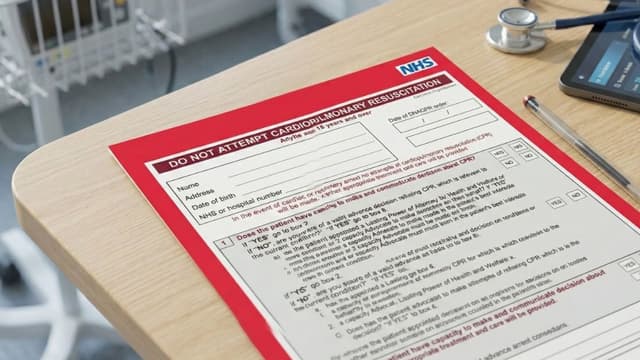
As his doctor, Dr Bawa-Garba made numerous errors - for instance, not recording cessation of his medication in his notes and mistaking his notes for those of another patient with a DNAR order.
The hospital system made further errors, however. Dr Bawa-Garba was doing the work of two doctors, and there were no senior consultants or nurses on site. Nurses did not notify her of Jack’s deteriorating condition, and hospital computer systems were down for part of the day which delayed blood tests.
Dr Bawa-Garba was at one point struck off the medical register and barred from practising medicine, however, she was later reinstated following an appeal. Currently, she is practising medicine without restrictions - though at a lower rank than she was before her suspension.
Further reading: The Conversation
👉🏻 Read More: The Hadiza Bawa Garba Case - Medicine Interview Questions
Harold Shipman was a GP in the UK who murdered over 200 patients between 1970 and 1998. He injected them with lethal doses of painkillers and specifically killed patients whose deaths would not arouse suspicion - for instance, the elderly or critically ill.
It was only when the daughter of one of his victims refused to accept the given explanation for her mother’s death that he was investigated and his crimes uncovered.
The Shipman Files (2020) is a BBC documentary that explores this matter in detail over 3 episodes. It is available on BBC iPlayer and can be watched if you’re looking for an exploration of how failures in the system of checks & balances led to his horrific crimes continuing for decades, unnoticed.
👉🏻 Read more: Harold Shipman Case - Medicine Interview Hot Topics
Charlie Gard was born in 2016 with the rare condition encephalomyopathic mitochondrial DNA depletion syndrome. He was born seemingly healthy, but quickly deteriorated and needed to be put on a ventilator.
His parents wished to keep him on life support and take him to the US for treatment, however, his doctors and other experts thought that this would only prolong his suffering as the treatment couldn’t help someone with a condition as advanced as his.
Eventually, a US doctor flew to the UK and told Charlie’s parents that the treatment would no longer be able to help him. They conceded the case, and his life support was later switched off. The Charlie Gard case drew into question important topics about whether parents or doctors should have the final say in divisive cases such as this one.
Further reading: BBC News
Alfie Evans was born in May 2016. Initially healthy, he was admitted to a hospital in December 2016 and diagnosed with an unidentified degenerative neurological condition. After spending over a year in a semi-vegetative state, his parents wanted to fly him to Italy in the hopes of further treatment which may have extended his life for an undefined period of time. His doctors believed that it was more humane to turn off his life support.
Following a court case, a judge rules that doctors could stop providing life support for Alfie in the interests of his “peace, quiet, and privacy.” Numerous appeals were made to various levels of courts, and all were denied. Throughout this process, hospital workers were verbally abused by a group called “Alfie’s Army”, who at point attempted to storm the front entrance of the hospital where he was being looked after.
Further reading: BBC News
If you haven’t been living under a rock (or in New Zealand), you’ll be aware of the catastrophic impacts of the covid-19 pandemic on healthcare services, lives, and livelihoods. As perhaps the most prominent medical topic in the news in at least a century, you are likely to be asked questions about it at some of your interviews. However, as it is such a broad topic, it can be hard to know what to expect.
Some key areas may include:
Further reading: ourworldindata.com
In 2016 junior doctors in England struck for the first time in around 40 years, including the first ever withdrawal of emergency cover, after Jeremy Hunt announced he would impose a new contract. The dispute was about unsocial-hours pay, safe working limits and the 7-day NHS policy the contract was meant to deliver. A revised contract was imposed from late 2016 and reworked in 2019.
The dispute from 2023 onwards is a different one: pay restoration to 2008 levels and the specialty training bottleneck. Resident doctors (the BMA renamed junior doctors in September 2024) struck repeatedly until members accepted a revised offer on 26 June 2026. Know the difference between the two: 2016 was about conditions, the recent dispute about pay and jobs.
Expect to be asked whether doctors should strike at all. That question links the two.
👉 Read More: The 2016 Junior Doctor Contract: A Landmark Case
👉 Read More: Resident Doctor Strikes: The Current Position
The 7-day NHS was a 2015 Conservative manifesto pledge, championed by David Cameron and Jeremy Hunt, to provide the same standard of routine and emergency care at weekends as on weekdays. It rested on the weekend effect, research showing higher mortality for patients admitted at weekends, which the authors themselves warned could reflect sicker patients rather than worse care.
It became the justification for the 2016 junior doctor contract and the strikes that followed, and the routine-care ambition was quietly dropped after 2016. Urgent and emergency care runs seven days a week; most planned care does not. The 2025 10 Year Health Plan pursues similar aims differently, through neighbourhood health centres open in the evenings and at weekends.
Use it for questions about evidence, politics and workforce, not as a recent story.
👉 Read More: The 7-Day NHS: A Landmark Policy Dispute
If you’re looking for guides to other possible medicine stations, including how to answer questions like these mock medicine interview questions, then check out the other articles in our Ultimate Medicine Interview Guide 2026!
For individual help or 1-1 medicine interview tutoring, 1-1 mock interviews or general medicine interview coaching, get in touch with us at TheUKCATPeople. We offer expert medical interview preparation, including for specific medical schools. Check out the packages that we offer here!
If you would rather cover hot topics and interview technique in one taught day, see our comparison of UK medicine interview courses for 2026/27, which lines up prices, formats and what each provider includes.
Ranked for 2026-27, as of October 2026: weight-loss injections; equality, diversity and the Equality Act; resident doctor pay, the training bottleneck and the Prioritisation Act; AI in the NHS; the Lucy Letby case and the Thirlwall report; the abolition of NHS England; assisted dying after the September 2026 vote; sustainability and the Greener NHS; health inequalities; vaccine confidence and measles; the 10 Year Health Plan and the NHS App; the ageing population and social care; winter pressures and corridor care; antibiotic resistance; and maternity safety and the Amos investigation. Each has its own section on this page, or links to our full guide.
Current issues in medicine include the rollout of weight-loss injections, equality and diversity in the NHS workforce, the resident doctor pay deal and the shortage of training posts, AI in consultations and imaging, the Thirlwall report on the Letby case, the abolition of NHS England, the assisted dying vote, the NHS net zero commitment, widening health inequalities, falling MMR uptake, the 10 Year Health Plan, social care and hospital discharge, corridor care and antibiotic resistance. These are exactly what interviewers test under NHS hot topics.
The 7-day NHS, the 2016 junior doctor contract, Brexit and the NHS, the Liverpool Care Pathway, and the Charlie Gard, Alfie Evans and Bawa-Garba cases are previous hot topics. They are still worth knowing for ethics, patient safety and the relationship between politics and medicine, and each has a guide on this site, but none is a current affair. If an interviewer asks what you have read recently, choose something from the top 15 instead.
NHS hot topics are current affairs: real events, policies and debates in the news, such as strikes, AI or the 10 Year Health Plan. Medical ethics questions test principles, usually through the four pillars (autonomy, beneficence, non-maleficence and justice). The two overlap heavily, because most hot topics raise an ethical tension, so prepare both together using our ethics interview questions guide.
Define the topic clearly, give a short, balanced summary of the issue, then argue both sides using the four pillars of medical ethics. Acknowledge the trade-offs and safeguards, reference a relevant fact or report, and finish with a measured personal view. Interviewers reward balance and insight far more than picking a side, so avoid sounding one-dimensional or political.
No. Interviewers do not expect encyclopaedic knowledge. Aim for a broad overview of the major topics so you can hold a conversation about any of them, then pick one or two that genuinely interest you, often linked to your work experience or wider reading, and know those in real depth. Depth on a few topics beats shallow coverage of everything.
Assisted dying remains unlawful in England and Wales. Kim Leadbeater's Terminally Ill Adults (End of Life) Bill passed its Commons third reading in June 2025 but ran out of time and fell when Parliament was prorogued in April 2026; it is expected to be reintroduced in a future session. Use precise language: euthanasia, assisted suicide and assisted dying are distinct terms.
The government announced in March 2025, and confirmed in the July 2025 10 Year Health Plan, that NHS England will be abolished and its functions brought back into the Department of Health and Social Care. The aims are to cut duplication and bureaucracy, reduce central headcount and improve political accountability. Because it needs primary legislation, the change is being phased in over time.
Fit for the Future: the 10 Year Health Plan for England was published on 3 July 2025. It sets out three big shifts: from hospital to community care, from analogue to digital, and from treating sickness to preventing it. It also confirms the abolition of NHS England. It is a strong topic to mention because it frames almost every other current NHS hot topic.
Show balanced enthusiasm. Explain that AI already helps read scans, flag deteriorating patients, triage referrals and cut admin, then raise the key questions: accountability when an algorithm is wrong, data protection, the risk of widening health inequalities, and the need to keep clinicians in charge. Your headline message should be that AI supports clinical judgement, it does not replace it.
Physician associates (PAs) support doctors in assessing and managing patients, and their numbers have grown quickly. The debate centres on scope of practice, supervision, regulation and the risk of patients confusing PAs with doctors, sharpened by high-profile safety cases. The Leng review and new GMC regulation aim to clarify their role. It is a strong topic for showing awareness of the wider healthcare team and professional boundaries.
This is a classic hot-topic question with no right answer. Argue both sides: staff have a right to fair pay and safe working conditions, and resident doctors (formerly junior doctors) cite years of real-terms pay erosion; against that, strikes disrupt patient care and add to waiting lists, creating an ethical tension for doctors whose first duty is to patients. Show you understand the trade-offs.
Wider reading means engaging with medicine beyond your syllabus: news on NHS hot topics, reports such as the Lord Darzi review, medical journals, books, podcasts and documentaries. At interview, reference what you read, what you thought about it and how it shaped your view. Quality and reflection matter far more than a long list, so prepare one or two sources you can discuss thoughtfully.
Follow a reliable mix: BBC Health, the Health pages of broadsheets, the King's Fund, the BMJ and NHS England updates. Skim regularly rather than cramming, and keep a short note of each topic with the key facts and the arguments on both sides. This page is updated for 2027 entry, so use it as a current-affairs hub alongside our individual NHS hot-topic guides.
Controversial topics include assisted dying, abortion and conscientious objection, organ donation and deemed consent, vaccine hesitancy, rationing of treatment and QALYs, NHS privatisation, and the use of patient data in AI. Interviewers want calm, balanced reasoning and respect for differing views, not strong personal opinions, so practise arguing both sides using the four pillars of ethics.
Martha's Rule was introduced after Martha Mills died from sepsis when her family's concerns were not acted on quickly enough. It gives patients and families the right to request an urgent second clinical review if a patient's condition is deteriorating. It is being rolled out across NHS hospitals and reflects a wider move to treat patients and families as partners in safe care, making it a strong patient-safety topic.
Many hot topics apply across healthcare interviews, including AI, the workforce crisis, antibiotic resistance and the sugar tax. Dentistry applicants should also know the NHS dental contract reform, UDAs and access problems, while all applicants benefit from understanding NHS structure and the GMC. Tailor your examples to your course, but the core current-affairs knowledge overlaps significantly.

Want expert help with your application?
From 1-1 tutoring and personal statement editing to interview coaching and our all-in-one Ultimate Package, we support every stage. Tell us what you are aiming for and we will recommend the right option.
Ultimate Package students from our 2025/26 cycle, with their UCAT scores and offers, who trained with us for the UCAT, personal statements and interviews.
“Harry got my UCAT up to 2,590, working through the sections I kept dropping marks on week by week. Gemma then ran my interview practice so the MMI stations didn't catch me out, and Dr Akash mentored me the whole way through. I'm off to King's for Medicine.”
“The interview prep was the part that actually moved the needle. Proper mock MMIs, not just lists of questions, and feedback that was honest about what I was getting wrong. I ended up with four offers and firmed UCL.”
“The Ultimate Package kept me organised from UCAT through to interviews. They knew what dental schools actually ask and tightened up my personal statement. Four offers in the end, and I'm going to Birmingham.”
“Vet applications come down to the written SAQs as much as the interview. Dr Rebecca went through my SAQs line by line, sharpened my answers and prepped me for the panels. I came away with four offers and chose the RVC.”
Book your FREE consultation today
Click to book your free consultation