Medicine

UK Medical School Rankings 2026: All 50 Medical Schools Ranked

Every medical school and medicine university in the UK, ranked and compared: A-level entry requirements, the UCAT, interview format, tuition fees, and the easiest, hardest and best medical schools to get into. Independently researched and updated for June 2026 by our admissions team for 2026 entry.

Last updated: June 2026

How many medical schools are there in the UK?

There are 50 universities in the UK offering a medicine degree (sometimes called medical colleges or medicine universities) that leads to registration with the General Medical Council (GMC). Around 44 are long-established, and a wave of new medical schools has taken the total to 50, all listed and ranked below. Almost every one uses the UCAT, and in the Complete University Guide 2027 the top five are Cambridge, Oxford, Imperial College London, Queen's University Belfast and Glasgow.

50
Medical schools
5-6 years
Course length
£9,790/yr
Home tuition
UCAT
Admissions test
UK medical school rankings & league tables 2026

All 50 UK medical schools and universities ranked for 2026

Compare every UK medical school across the two main league tables side by side, with A-level offers, admissions test, interview format and international fees verified against each university. Sort by our combined score, the Complete University Guide or the Guardian, and click any school for the full profile.

The "Combined score" is our own consensus figure: the average of the Complete University Guide and Guardian overall scores (both out of 100). We average the scores, not the rank positions, because the two tables rank different numbers of schools and a rank is not a measurement. It is shown only for the 36 schools that appear in both tables.

Sort by:
Medical schoolLocationCombined /100CUG 2027Guardian 2026A-levelTestInterviewInt'l fee
University of OxfordOxford, England99.5#1 combined#2 (99)#1 (100)A*AAUCATPanel£49,400+
Imperial College LondonLondonLondon, England98.2#2 combined#3 (98)#2 (98.4)A*AAUCATMMI£58,600
Hull York Medical SchoolHull and York, England96.6#3 combined#18 (96)#3 (97.1)AABUCATMMI£49,750
University of St AndrewsSt Andrews, Scotland95.8#4 combined#14 (97)#4 (94.5)AAAUCATMMI£39,620
University of CambridgeCambridge, England95.1#5 combined#1 (100)#5 (90.1)A*A*AUCATPanel£70,554
University of AberdeenAberdeen, Scotland92.4#6 combined#28 (95)#6 (89.7)AAAUCATMMI£50,100
Keele UniversityKeele, England91.8#7 combined#21 (95)#7 (88.5)A*AAUCATMMI£46,700
University of LeicesterLeicester, England90.3#8 combined#6 (97)#8 (83.6)A*AAUCATMMI£30,150+
Swansea UniversitySwansea, Wales88.2#9 combined#12 (97)#9 (79.4)Graduate entryGAMSAT / UCATSelection stations£48,350
University of DundeeDundee, Scotland87.8#10 combined#11 (97)#10 (78.5)AAAUCATMMI£55,900
University of BristolBristol, England86.8#11 combined#7 (97)#11 (76.5)AAAUCATMMI£45,800
University of ExeterExeter, England86.6#12 combined#10 (97)#12 (76.1)A*AAUCATMMI£48,900
Cardiff UniversityCardiff, Wales86.1#13 combined#9 (97)#15 (75.2)AAAUCATMMI£45,450
University College London (UCL)LondonLondon, England85.6#14 combined#8 (97)#17 (74.2)A*AAUCATMMI£57,300
University of LiverpoolLiverpool, England85.3#15 combined#24 (95)#14 (75.6)AAAUCATMMI£50,000
University of GlasgowGlasgow, Scotland84.9#16 combined#5 (97)#18 (72.7)AAAUCATPanel£62,730
University of East Anglia (Norwich)Norwich, England84.8#17 combined#22 (95)#16 (74.6)AAAUCATMMI£47,500
University of WarwickCoventry, England84.5#18 combined#33 (93)#13 (76)Graduate entryUCATMMI£32,510+
Queen's University BelfastBelfast, Northern Ireland84.0#19 combined#4 (98)#20 (69.9)A*AAUCATMMI£50,180
Brighton and Sussex Medical SchoolBrighton, England82.8#20 combined#31 (94)#19 (71.6)AAAUCATMMI£49,000
The University of EdinburghEdinburgh, Scotland81.6#21 combined#13 (97)#22 (66.1)AAAUCATMMI£54,650
University of SouthamptonSouthampton, England81.5#22 combined#30 (94)#21 (69)AAAUCATPanel£32,000+
University of LeedsLeeds, England80.6#23 combined#26 (95)#22 (66.1)AAAUCATMMI£47,000
University of ManchesterManchester, England80.3#24 combined#15 (96)#25 (64.5)AAAUCATMMI£39,900+
Lancaster UniversityLancaster, England79.6#25 combined#16 (96)#26 (63.1)AAAUCATMMI£48,620
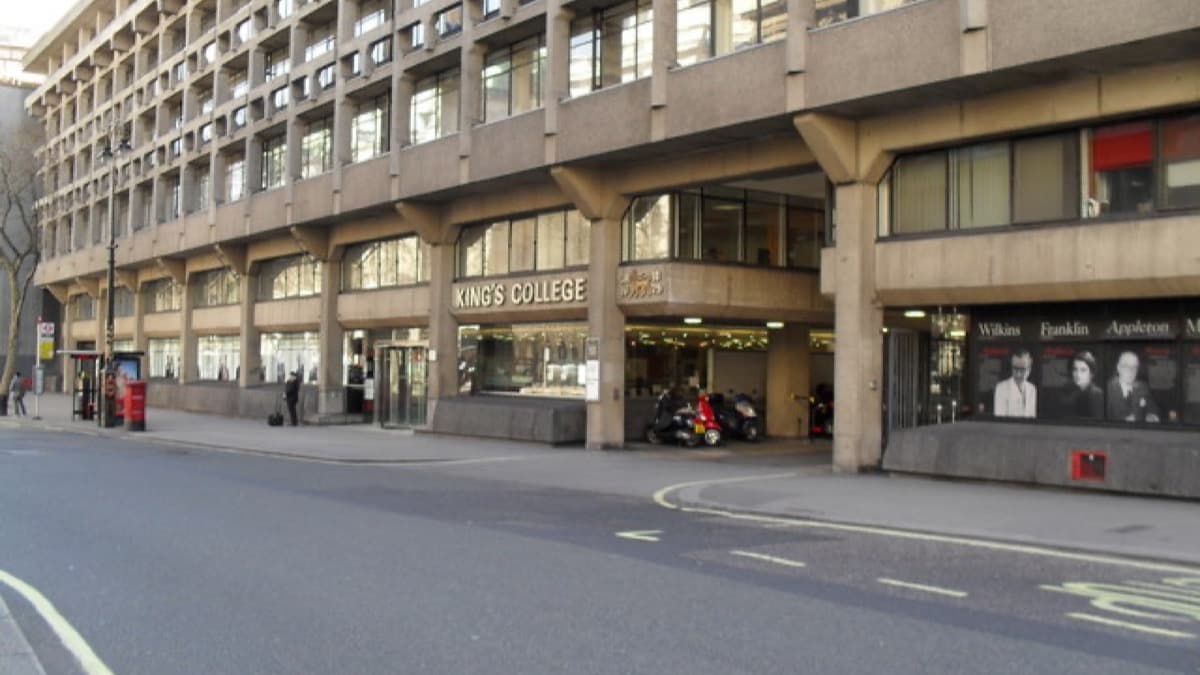
King's College LondonLondonLondon, England79.4#26 combined#17 (96)#27 (62.8)A*AAUCATMMI£56,800
University of SunderlandnewSunderland, England79.1#27 combined#35 (93)#24 (65.2)AAAUCATMMIHome only
Newcastle UniversityNewcastle, England77.5#28 combined#25 (95)#29 (59.9)AAAUCATMMI£47,000
University of NottinghamNottingham, England77.5#29 combined#29 (95)#28 (60)AAAUCATMMI£47,000
University of SheffieldSheffield, England77.4#30 combined#20 (96)#30 (58.8)AAAUCATMMI£45,310
Queen Mary University of London (Barts)LondonLondon, England77.0#31 combined#19 (96)#32 (57.9)A*AAUCATPanel£49,950
University of BirminghamBirmingham, England76.1#32 combined#27 (95)#33 (57.2)A*AAUCATMMI£30,330+
Anglia Ruskin UniversitynewChelmsford, England75.7#33 combined#34 (93)#31 (58.3)AAAUCATMMIHome only
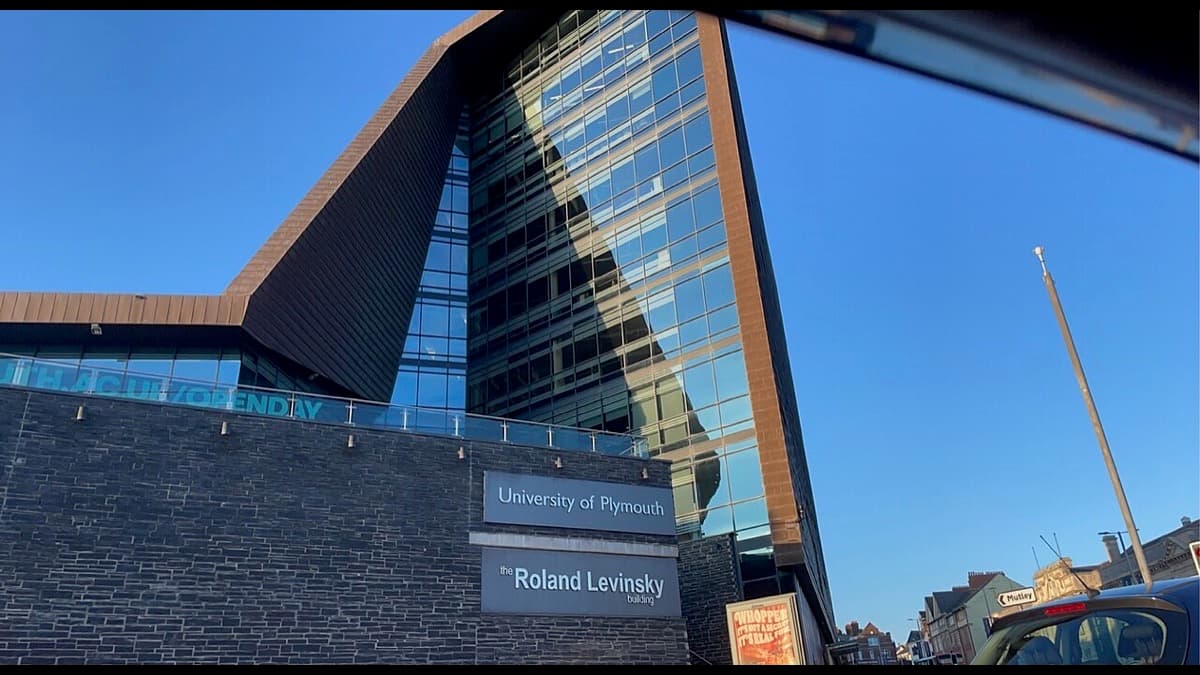
University of PlymouthPlymouth, England72.2#34 combined#32 (94)#34 (50.4)A*AA-AABUCATMMI£41,920
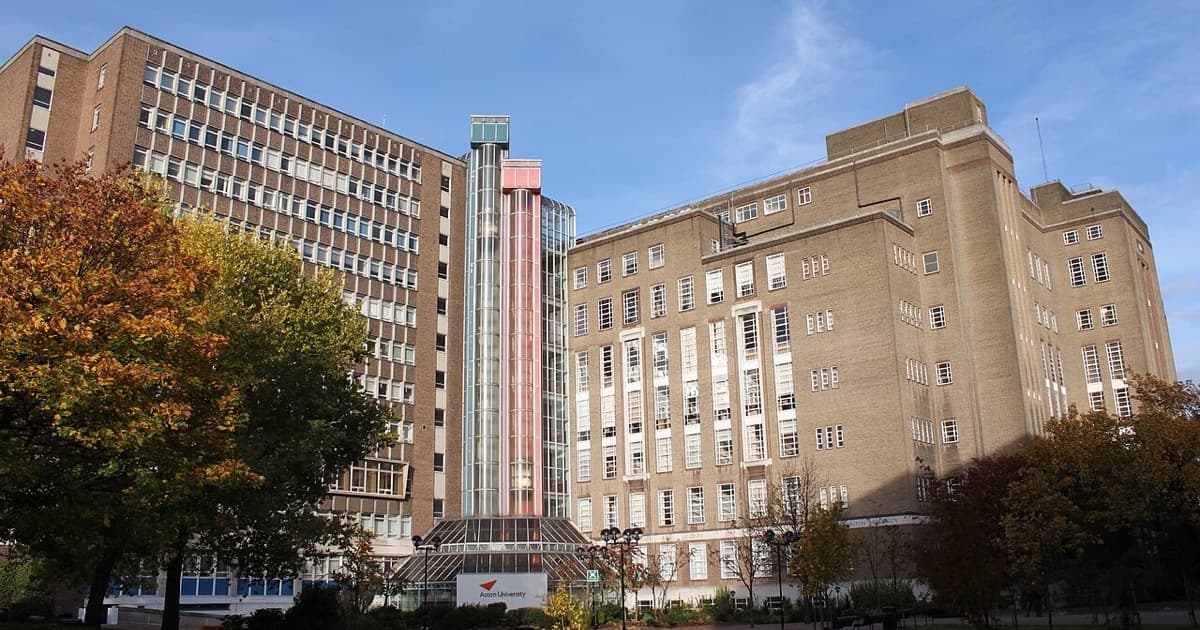
Aston UniversitynewBirmingham, England65.4#35 combined#36 (91)#35 (39.8)A*AAUCATMMI£47,000
University of Central Lancashire (UCLan)newPreston, England62.7#36 combined#39 (89)#36 (36.4)AAAUCATMMI£49,950
City St George's, University of LondonLondonLondon, England#23 (95)AAAUCATMMI£44,700
Kent and Medway Medical SchoolnewCanterbury, England#37 (91)AAA / AABUCATMMI£49,700
Edge Hill UniversitynewOrmskirk, England#38 (89)AAAUCATMMIHome only
University of BuckinghamnewBuckingham, England#40 (89)ABBNo admissions testMMI£45,000
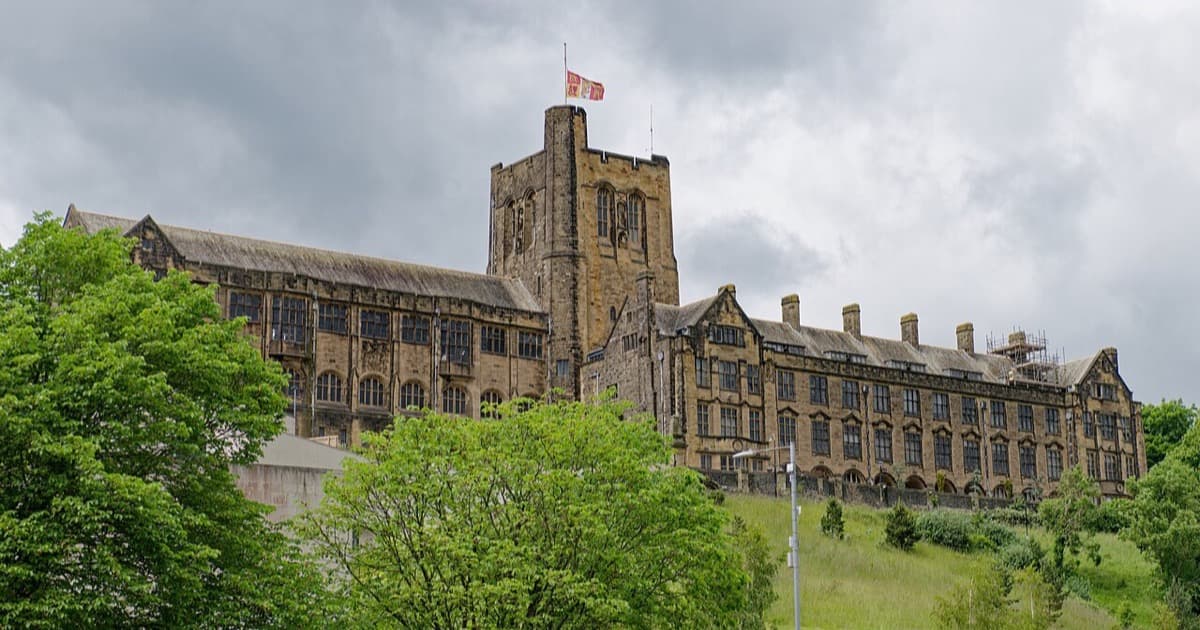
Bangor UniversitynewBangor, WalesAAAUCATMMIHome only
Brunel University of LondonLondonnewUxbridge, London, EnglandAAAUCATMMI£49,395
University of ChesternewChester, EnglandGraduate entryUCATMMI£46,000
University of LincolnnewLincoln, EnglandAAAUCATMMIHome only
University of WorcesternewWorcester, EnglandGraduate entryUCAT / GAMSATPanel£49,300
University of SurreynewGuildford, EnglandGraduate entryGAMSAT / UCATMMI£48,400
St Mary's University, TwickenhamLondonnewTwickenham, London, EnglandAAAUCATMMI£48,000
University of Greater ManchesternewBolton, EnglandAABUCATMMI£45,000
Pears Cumbria School of MedicinenewCarlisle, EnglandGraduate entryUCAT / GAMSATMMIHome only
Ulster UniversitynewDerry/Londonderry, Northern IrelandGraduate entryGAMSATMMISee uni

Sources: Complete University Guide 2027 Medicine (the spine of this table, ranking the first 40 schools) and The Guardian University Guide 2026 Medicine. The 10 newest and graduate-entry schools appear in neither table yet and show a dash. Offers are typical standard A-level offers; contextual offers are often lower. International fees are the latest published Year 1 figures, and a "+" marks schools that charge higher clinical-year fees. League tables: Complete University Guide and the Guardian University Guide.

World rankings

UK medical schools in the world rankings (QS & Times)

The Complete University Guide and the Guardian rank UK medical schools against each other on UK measures. The QS World University Rankings by Subject (Medicine) and the Times Higher Education (THE) world rankings instead rank them globally, mainly on research reputation. UK universities perform exceptionally well: Oxford, Cambridge, Imperial College London and UCL all sit in the global top 10 for medicine, and King's College London, Edinburgh, Manchester and Glasgow feature in the global top 100.

Because world rankings weight research reputation rather than teaching, entry standards or student satisfaction, a school can rank very differently here than in the UK tables. Some smaller, teaching-focused schools score highly in the Guardian but do not appear in QS at all, and the newest medical schools feature in none of the world tables yet. For UK applicants, the UK-focused tables (and our combined score above) are usually the more useful guide. See the QS Medicine subject ranking and the Times Higher Education clinical and health ranking for the global tables.

The schools

Every UK medical school at a glance

All 50 medical schools, in ranking order. Tap a school for full entry requirements, UCAT cut-offs, interview questions and admissions data.

University of Cambridge medical school#1

Cambridge

Cambridge · Offer A*A*A

View Cambridge profile
University of Oxford medical school#2

Oxford

Oxford · Offer A*AA

View Oxford profile
Imperial College London medical school#3

Imperial College London

London · Offer A*AA

View Imperial College London profile
Queen's University Belfast medical school#4

Queen's University Belfast

Belfast · Offer A*AA

View Queen's University Belfast profile
University of Glasgow medical school#5

Glasgow

Glasgow · Offer AAA

View Glasgow profile
University of Leicester medical school#6

Leicester

Leicester · Offer A*AA

View Leicester profile
University of Bristol medical school#7

Bristol

Bristol · Offer AAA

View Bristol profile
University College London (UCL) medical school#8

UCL (University College London)

London · Offer A*AA

View UCL (University College London) profile
Cardiff University medical school#9

Cardiff

Cardiff · Offer AAA

View Cardiff profile
University of Exeter medical school#10

Exeter

Exeter · Offer A*AA

View Exeter profile
University of Dundee medical school#11

Dundee

Dundee · Offer AAA

View Dundee profile
Swansea University medical school#12

Swansea

Swansea · Graduate entry

View Swansea profile
The University of Edinburgh medical school#13

Edinburgh

Edinburgh · Offer AAA

View Edinburgh profile
University of St Andrews medical school#14

St Andrews

St Andrews · Offer AAA

View St Andrews profile
University of Manchester medical school#15

Manchester

Manchester · Offer AAA

View Manchester profile
Lancaster University medical school#16

Lancaster

Lancaster · Offer AAA

View Lancaster profile
King's College London medical school#17

Kings College London

London · Offer A*AA

View Kings College London profile
Hull York Medical School medical school#18

Hull York

Hull and York · Offer AAB

View Hull York profile
Queen Mary University of London (Barts) medical school#19

Barts And London

London · Offer A*AA

View Barts And London profile
University of Sheffield medical school#20

Sheffield

Sheffield · Offer AAA

View Sheffield profile
Keele University medical school#21

Keele

Keele · Offer A*AA

View Keele profile
University of East Anglia (Norwich) medical school#22

Norwich

Norwich · Offer AAA

View Norwich profile
City St George's, University of London medical school#23

St George's

London · Offer AAA

View St George's profile
University of Liverpool medical school#24

Liverpool

Liverpool · Offer AAA

View Liverpool profile
Newcastle University medical school#25

Newcastle

Newcastle · Offer AAA

View Newcastle profile
University of Leeds medical school#26

Leeds

Leeds · Offer AAA

View Leeds profile
University of Birmingham medical school#27

Birmingham

Birmingham · Offer A*AA

View Birmingham profile
University of Aberdeen medical school#28

Aberdeen

Aberdeen · Offer AAA

View Aberdeen profile
University of Nottingham medical school#29

Nottingham

Nottingham · Offer AAA

View Nottingham profile
University of Southampton medical school#30

Southampton

Southampton · Offer AAA

View Southampton profile
Brighton and Sussex Medical School medical school#31

Brighton And Sussex

Brighton · Offer AAA

View Brighton And Sussex profile
University of Plymouth medical school#32

Plymouth

Plymouth · Offer A*AA-AAB

View Plymouth profile
University of Warwick medical school#33

Warwick

Coventry · Graduate entry

View Warwick profile
Anglia Ruskin University medical school#34

Anglia Ruskin

Chelmsford · Offer AAA

View Anglia Ruskin profile
University of Sunderland medical school#35

Sunderland

Sunderland · Offer AAA

View Sunderland profile
Aston University medical school#36

Aston

Birmingham · Offer A*AA

View Aston profile
Kent and Medway Medical School medical school#37

Kent And Medway

Canterbury · Offer AAA / AAB

View Kent And Medway profile
Edge Hill University medical school#38

Edge Hill

Ormskirk · Offer AAA

View Edge Hill profile
University of Central Lancashire (UCLan) medical school#39

UCLAN

Preston · Offer AAA

View UCLAN profile
University of Buckingham medical school#40

Buckingham

Buckingham · Offer ABB

View Buckingham profile
Bangor University medical schoolNew school

Bangor

Bangor · Offer AAA

View Bangor profile
Brunel University of London medical schoolNew school

Brunel

Uxbridge, London · Offer AAA

View Brunel profile
University of Chester medical schoolNew school

Chester

Chester · Graduate entry

View Chester profile
University of Lincoln medical schoolNew school

Lincoln

Lincoln · Offer AAA

View Lincoln profile
University of Worcester medical schoolNew school

Worcester

Worcester · Graduate entry

View Worcester profile
University of Surrey medical schoolNew school

Surrey

Guildford · Graduate entry

View Surrey profile
St Mary's University, Twickenham medical schoolNew school

St Mary's Twickenham

Twickenham, London · Offer AAA

View St Mary's Twickenham profile
University of Greater Manchester medical schoolNew school

Greater Manchester

Bolton · Offer AAB

View Greater Manchester profile
Pears Cumbria School of Medicine medical schoolNew school

Pears Cumbria

Carlisle · Graduate entry

View Pears Cumbria profile
Ulster University medical schoolNew school

Ulster

Derry/Londonderry · Graduate entry

View Ulster profile
By nation

UK medical schools by nation

Medicine is taught across all four UK nations. Studying in Scotland, Wales or Northern Ireland can mean different fees and funding, so it is worth knowing where each school sits.

London medical schools

Medical schools in London

There are five medical schools in central London, plus two just outside it. They are among the most competitive in the country, so balance your application with strong schools elsewhere.

Best universities for medicine UK

Which are the best universities for medicine in the UK?

The best universities for medicine in the UK, by the Complete University Guide 2027, are Cambridge, Oxford, Imperial College London, Queen's University Belfast, Glasgow, Leicester, Bristol, UCL, Cardiff and Exeter, our top 10. League tables weigh entry standards, student satisfaction, research and graduate prospects, and the gap between schools is small. Sort the table above by our combined score to see the top universities for medicine across both main league tables at once.

"Best" really means best for you. If you want a traditional, science-led course, Oxford, Cambridge and Imperial are strong; if you want early patient contact and problem-based learning, schools like Manchester, Liverpool, Hull York and Keele build it in from year one; if you want to graduate sooner, the four-year graduate-entry courses (Warwick, Swansea, Surrey and others) are worth a look. Every GMC-approved school trains doctors who can work anywhere in the UK.
Easiest & hardest

Easiest, hardest and most competitive medical schools

Hardest on grades: Cambridge (A*A*A), then Oxford, Imperial, UCL, King's, Barts, Birmingham, Aston, Exeter, Keele and Leicester (A*AA). Oxbridge and the London schools also have the lowest offer rates.

More achievable: schools asking for AAA rather than A*AA, those that weight the UCAT generously, and newer schools that attract fewer applications. Buckingham asks for ABB and uses no admissions test. Contextual and widening-access offers, and graduate-entry routes, open more doors.

"Worst" medical schools? There are none. Every UK medical school is approved by the General Medical Council and trains fully qualified doctors. A lower league position usually just reflects a newer school with less research history, not weaker teaching. To find a realistic list, work out your UCAT score percentile and target the schools where your grades, UCAT and GCSEs fit best.

Application support

Applying to medicine?

Complete medicine application support: UCAT tutoring, personal statement reviews and interview coaching from doctors.

Entry requirements

What do you need to get into medical school?

  • A-levels: Usually AAA or A*AA including Chemistry and/or Biology (A*A*A at Cambridge, ABB at Buckingham). Strong GCSEs matter too, often grade 7/A and above in the sciences, English and Maths.
  • UCAT: Almost every school requires the UCAT, sat in the year you apply. Cut-offs and weighting vary by school, so a strong score widens your options. Some graduate-entry courses use the GAMSAT.
  • Work experience: Relevant clinical or care experience, paid or voluntary, that you can reflect on. Schools care more about insight than hours.
  • Personal statement: A focused, reflective UCAS statement showing genuine motivation and understanding of medicine.
  • Interview: Most schools use MMIs (multiple mini interviews) testing communication, ethics, motivation and resilience; a few use panels.

For UCAT preparation, see our UCAT tutoring and UCAT score calculator, and for the rest of the application our medicine personal statement service and interview coaching.

How to get into medical school

How to get into medical school in the UK, step by step

  1. 1Take the right GCSEs. Aim for strong grades, mostly 7s/As and above, including the sciences, English and Maths. Many schools score GCSEs as part of shortlisting.
  2. 2Choose science A-levels. Take Chemistry and/or Biology (the near-universal requirement), usually with a third strong subject. Most schools ask for AAA or A*AA.
  3. 3Sit the UCAT. Almost every UK medical school requires the UCAT, sat in the year you apply. A few graduate-entry courses use the GAMSAT instead. The BMAT no longer exists.
  4. 4Build medical work experience. Clinical or care experience, paid or voluntary, that you can reflect on. Schools value insight and reliability over the number of hours.
  5. 5Apply through UCAS. You can apply to up to four medical schools, plus one non-medicine back-up, by the mid-October UCAS deadline.
  6. 6Write your personal statement. A focused, reflective UCAS statement showing genuine motivation for medicine and what you learned from your experience.
  7. 7Interview. If shortlisted, you attend an interview, usually a multiple mini interview (MMI), testing communication, ethics, motivation and resilience.
  8. 8Graduate and register. Pass the five or six year degree (four for graduate entry), provisionally register with the GMC, and begin the two-year Foundation Programme as a doctor.

Worried your grades are borderline? Several schools offer a foundation or gateway year, and graduate-entry routes let you study medicine after a first degree. Turn the whole plan into marks with our UCAT tutoring, personal statement and interview coaching.

International students

Studying medicine in the UK as an international student

International places are tightly capped (often around 7.5% of each school's intake), which makes the international route even more competitive than the home route. You meet the same academic and UCAT/GAMSAT requirements, prove English language ability (usually IELTS 7.0 to 7.5), and pay international tuition fees of roughly £30,000 to £70,000 per year.

  • Fees & funding: International students are not eligible for UK tuition-fee loans, so you will need proof of funding. Fees and the per-school figures are in the table above; our international guide explains the full cost.
  • Eligibility varies: Anglia Ruskin, Bangor, Edge Hill, Lincoln, Sunderland and Pears Cumbria take home students only. St Mary's (Twickenham) and the University of Greater Manchester currently recruit international students only.
  • Singapore & Hong Kong links: Imperial College London is the academic partner of the Lee Kong Chian School of Medicine (LKCMedicine) at NTU Singapore, and many UK schools have strong Singapore and Hong Kong connections. UK degrees are widely recognised, but check the licensing rules of the country where you plan to practise.
  • Global recognition: A UK medical degree is respected worldwide, and graduates work across the Commonwealth, the Gulf, North America and beyond, subject to local registration exams.

Country guides for international applicants:

Fees & sources

Medicine tuition fees and ranking sources

Home (UK) students pay up to £9,790 per year in tuition for 2026/27, covered by a tuition-fee loan, with NHS bursary support in the later years of the course in England. International fees range from about £30,000 to over £70,000 per year (Cambridge is the highest), so a full course can exceed £250,000 in tuition before living costs.

This page uses the Complete University Guide 2027 as its main ranking. Other respected tables include the Guardian University Guide (UK teaching and satisfaction), and the QS and Times Higher Education World University Rankings (global research reputation). Because each uses different criteria, a school can rank very differently between them; we recommend comparing the measures that matter to you. The Medical Schools Council and the General Medical Council are the authoritative official sources.

Next step

Medicine application tutoring with experts

Work with doctors and admissions experts across every stage of your application.

FAQs

UK medical schools: frequently asked questions

How many medical schools are there in the UK?

There are 50 universities in the UK offering a medicine degree that leads to provisional registration with the General Medical Council (GMC). Around 44 are long-established members of the Medical Schools Council, and a wave of new medical schools (such as Brunel, Chester, Sunderland, Kent and Medway, Pears Cumbria, Greater Manchester and St Mary's) has taken the total to 50. All 50 are listed and ranked in full on this page.

What is the best medical school in the UK?

In the Complete University Guide 2027 Medicine league table the top five are Cambridge, Oxford, Imperial College London, Queen's University Belfast and Glasgow. Different tables disagree: the Complete University Guide, the Guardian, QS and the Times all use different criteria (entry standards, student satisfaction, research and graduate outcomes), so there is no single "best" medical school. Every GMC-approved school trains doctors who can work anywhere in the UK, so the best medical school is the one that best fits your grades, the course style you prefer and where you want to live.

What are the top 10 medical schools in the UK?

On the Complete University Guide 2027 the top 10 are Cambridge, Oxford, Imperial College London, Queen's University Belfast, Glasgow, Leicester, Bristol, UCL, Cardiff and Exeter. The exact order changes year to year and between ranking tables, so treat the top 10 as a band of excellent schools rather than a strict order.

What is the easiest medical school to get into in the UK?

Medicine is one of the most competitive degrees in the country, so no UK medical school is genuinely easy to get into. That said, some are statistically more achievable: schools that ask for AAA rather than A*AA, that weight the UCAT generously, that make contextual or widening-access offers, or that are newer and less well known often have a better offer rate. Buckingham (a private school) asks for ABB and does not use the UCAT. Applying strategically across your four medicine choices matters more than chasing the single easiest school.

What is the hardest medical school to get into in the UK?

On grades, Cambridge (A*A*A) and Oxford, Imperial, UCL, King's, Barts, Birmingham, Aston, Exeter, Keele and Leicester (A*AA) are the hardest. Oxbridge also has the lowest offer rates and additional hurdles, and London schools attract huge applicant numbers. Beyond grades, the schools with the highest UCAT cut-offs and applicant-to-place ratios are the most competitive overall, which is why a strong UCAT and interview often decide the outcome.

What are the worst medical schools in the UK?

There are no bad UK medical schools: every one is approved by the General Medical Council and must meet the same standards, and graduates from all of them qualify as doctors. League tables do place some schools lower, usually the newest ones that have less research history or fewer graduate-outcome years on record, but a lower league position is not a measure of teaching quality or your future as a doctor. Choose on fit, location and course style rather than fear of a ranking.

How do I become a doctor in the UK?

Take science A-levels (almost always Chemistry and/or Biology), sit the UCAT (or the GAMSAT for many graduate-entry courses), gain relevant work or volunteering experience, write a strong personal statement and apply through UCAS to up to four medical schools by the mid-October deadline. If you are shortlisted you attend an interview, usually a multiple mini interview (MMI). You then complete a five or six year degree (four years for graduate entry), provisionally register with the GMC and start the two-year Foundation Programme.

What A-level grades do you need for medicine in the UK?

Most UK medical schools ask for AAA or A*AA at A-level, almost always including Chemistry and/or Biology. Cambridge typically asks for A*A*A and Buckingham for ABB. You will also need strong GCSEs (often grade 7/A or higher across the sciences, English and Maths), and many schools make contextual offers one or two grades lower for eligible applicants. Graduate-entry courses use your degree result instead of A-levels.

Do all UK medical schools require the UCAT?

Almost all do. For 2026 entry the only undergraduate medical school that does not use an admissions test is the University of Buckingham. A handful of graduate-entry courses use the GAMSAT instead of or alongside the UCAT (for example Swansea, Surrey, Worcester, Chester and Ulster), and the BMAT has been discontinued, so no UK school uses it any more. For most applicants, the UCAT is the single most important test to prepare for.

What are the medical schools in London?

There are five medical schools in central London: Imperial College London, UCL (University College London), King's College London, Barts and The London (Queen Mary University of London) and City St George's, University of London. Just outside central London are Brunel University of London in Uxbridge and St Mary's University in Twickenham. London schools are among the most competitive in the country because of the number of applicants, so it is wise to balance your choices with schools elsewhere.

Which medical schools are Russell Group?

The Russell Group medical schools are Birmingham, Bristol, Cambridge, Cardiff, Edinburgh, Exeter, Glasgow, Imperial, King's College London, Leeds, Liverpool, Manchester, Newcastle, Nottingham, Oxford, Queen Mary (Barts), Queen's Belfast, Sheffield, Southampton, UCL, York (within Hull York) and Warwick. Russell Group status reflects research intensity, not teaching quality, and many non-Russell-Group schools rank highly and offer excellent clinical training.

What are the new medical schools in the UK?

A shortage of doctors has led the government to fund several new medical schools. Recent additions include Anglia Ruskin, Aston, Brunel, Buckingham, Chester, Edge Hill, Kent and Medway, Lincoln, Sunderland, the University of Lancashire (UCLan) and Worcester, plus the very newest: St Mary's (Twickenham), the University of Greater Manchester, the Pears Cumbria School of Medicine and Bangor. They must all meet the same General Medical Council standards as established schools. New schools can be a smart choice because they are sometimes less heavily applied to.

How much does it cost to study medicine in the UK?

Home (UK) students pay up to £9,790 per year in tuition for 2026/27, funded by a tuition-fee loan, plus an NHS bursary in the later years of the course in England. International students pay far more, typically between about £30,000 and £70,000 per year depending on the university (Cambridge is the highest), which can total well over £250,000 across a five or six year course before living costs.

Can international students study medicine in the UK?

Yes, but international places are tightly capped (often only around 7.5% of each school's intake), so the international route is extremely competitive. International applicants meet the same academic and UCAT/GAMSAT requirements, prove English language ability (usually IELTS 7.0 to 7.5), and pay international tuition fees. A few schools (Anglia Ruskin, Bangor, Edge Hill, Lincoln, Sunderland and Pears Cumbria) take home students only, while St Mary's and Greater Manchester currently recruit international students only. We have dedicated guides for applicants from Singapore, Hong Kong and Canada.

Are there UK medical schools affiliated with Singapore?

Yes. Imperial College London is the academic partner of the Lee Kong Chian School of Medicine (LKCMedicine) at Nanyang Technological University in Singapore, and several UK universities have strong Singapore and Hong Kong links. UK medical degrees are well recognised internationally, but registration and licensing rules differ by country, so always check the requirements of the country where you intend to practise. See our guide to applying to UK medicine from Singapore for the detail.

How long does it take to become a doctor in the UK?

The medical degree takes five years at most schools, or six years where it includes an intercalated or foundation year (and at Oxford, Cambridge, Imperial, UCL and Edinburgh). Graduate-entry courses are four years. After graduating you complete the two-year Foundation Programme, then specialty training, so the full path from starting medical school to becoming a consultant or GP is typically 10 to 16 years.

What is the difference between an MBBS and an MBChB?

Nothing important: MBBS, MBChB, MB BCh, BMBS and MB BChir are all names for the same primary medical qualification (Bachelor of Medicine, Bachelor of Surgery), and the letters just reflect each university's tradition and Latin. All of them are approved by the General Medical Council and let you work as a doctor in the UK.

What is the Medical Schools Council?

The Medical Schools Council (MSC) is the body that represents the UK's medical schools. It coordinates shared admissions guidance, publishes data on entry requirements and selection, and runs initiatives on widening participation and admissions tests. It is a useful official source when researching where to apply, alongside the General Medical Council, which approves and quality-assures the degrees.
Which ranking should I trust for UK medical schools?

Use several. The Complete University Guide and the Guardian rank UK medical schools on UK-focused measures (entry standards, student satisfaction, research and graduate prospects), while QS and the Times Higher Education world rankings reflect global research reputation. A school can be top 5 in one table and mid-table in another, so look at the underlying measures that matter to you rather than a single headline position. The table on this page lets you compare the Complete University Guide and the Guardian side by side.

What is the combined medical school ranking on this page?

Our combined score is the average of the Complete University Guide and Guardian overall scores, both of which are out of 100. We average the scores rather than the rank positions, because the two tables rank different numbers of schools and a rank is not a measurement. It gives a single consensus figure that smooths out the disagreement between the two main UK tables, and you can sort the ranking table by it. It is shown only for the 36 schools that appear in both tables.

How do UK medical schools rank in the world (QS and Times)?

In the QS World University Rankings by Subject (Medicine) and the Times Higher Education clinical and health table, UK universities are among the strongest in the world. Oxford, Cambridge, Imperial College London and UCL all sit in the global top 10 for medicine, and King's College London, Edinburgh, Manchester and Glasgow feature in the global top 100. World rankings weight research reputation rather than teaching or entry standards, so they read very differently from the UK league tables, and the newest medical schools do not appear in them yet.

Is a medical school the same as a medical college or medicine university?

Yes. Medical school, medicine university, medical college and school of medicine all describe the same thing: the part of a university that teaches the medicine degree (the MBBS, MBChB or equivalent). In the UK there is no separate 'medical college' system as in some countries, so the best medical college in the UK and the best university for medicine in the UK mean the same set of institutions. Whichever term you search for, you apply through UCAS to the university.

Which universities offer medicine in the UK, and where can you study it?

All 50 universities that offer medicine (the MBBS or MBChB) are listed and ranked in the table above, spread across England, Scotland, Wales and Northern Ireland. You can study medicine almost anywhere in the UK, from large city universities like Manchester, Birmingham and the London medical schools, to smaller campuses such as Keele, Lancaster and Buckingham. Use the table to compare them by location, entry grades and fees, and click any university for its full requirements.

How many medical schools are there in England, Scotland, Wales and London?

Of the 50 UK medical schools, 40 are in England, five are in Scotland (Aberdeen, Dundee, Edinburgh, Glasgow and St Andrews), three are in Wales (Cardiff, Swansea and Bangor) and two are in Northern Ireland (Queen's University Belfast and Ulster). London has five central medical schools (Imperial, UCL, King's College London, St George's and Barts), plus Brunel and St Mary's just outside.

Can you do graduate entry medicine in the UK?

Yes. Many universities run a four-year Graduate Entry Medicine (GEM) course for applicants who already hold a degree, including Warwick, Swansea, Chester, Surrey, Worcester, St George's, Nottingham and others, and Oxford, Cambridge and several others also offer four-year accelerated routes. Graduate entry is judged on your degree result rather than A-levels, and many of these courses use the GAMSAT instead of, or alongside, the UCAT. Competition is intense because there are far fewer graduate-entry places than school-leaver places.

Is there a foundation year or gateway route into medicine?

Yes. Many medical schools run a six-year Medicine with a Foundation Year or Gateway to Medicine course (UCAS codes such as A104, A108 or A110). These add an extra year, ask for lower A-level grades (often BBB or below), and are aimed at students from widening-participation backgrounds. They are one of the most realistic routes in for applicants whose grades fall just short of the standard offer, so they are well worth considering alongside contextual offers.

What is the difference between traditional, PBL and integrated medical courses?

UK medical courses teach in different styles. Traditional courses (such as Oxford and Cambridge) start with two or three years of lecture-based science before clinical placements. Problem-based learning (PBL) courses (such as Manchester, Liverpool and Hull York) build learning around clinical cases in small groups from early on. Integrated and case-based courses blend the two, with patient contact from year one. None is better in absolute terms, but the teaching style is one of the most important things to match to how you learn when choosing where to apply.

2025/26 results

Why Students & Parents Recommend Us

Ultimate Package students from our 2025/26 cycle, with their UCAT scores and offers, who trained with us for the UCAT, personal statements and interviews.

Ultimate Package
Sophie
Medicine, King's College London
2025 UCAT2,590 / 2,700
Harry got my UCAT up to 2,590, working through the sections I kept dropping marks on week by week. Gemma then ran my interview practice so the MMI stations didn't catch me out, and Dr Akash mentored me the whole way through. I'm off to King's for Medicine.
Ultimate Package
Daniel
Medicine, University College London
Medicine offers4 offers
The interview prep was the part that actually moved the needle. Proper mock MMIs, not just lists of questions, and feedback that was honest about what I was getting wrong. I ended up with four offers and firmed UCL.
Ultimate Package
Aisha
Dentistry, University of Birmingham
Dentistry offers4 offers
The Ultimate Package kept me organised from UCAT through to interviews. They knew what dental schools actually ask and tightened up my personal statement. Four offers in the end, and I'm going to Birmingham.
Ultimate Package
Charlotte
Veterinary Medicine, Royal Veterinary College
Vet offers4 offers
Vet applications come down to the written SAQs as much as the interview. Dr Rebecca went through my SAQs line by line, sharpened my answers and prepped me for the panels. I came away with four offers and chose the RVC.

Boost Your Medicine Application

Book your FREE consultation today

Click to book your free consultation

Trusted by key educators